
At a time of extremely strained Franco-Russian relations, it would be worthwhile to revisit a line of meaning linking Portugal, Paris, and Saint Petersburg. Discovered by Michel Bogé in 2025, this line inspired by the Marian apparitions of Fátima is purely symplanistic, meaning that no urban development or territorial planning can explain the alignment of the elements that make it up.
The Second Part of the Secret of Fátima
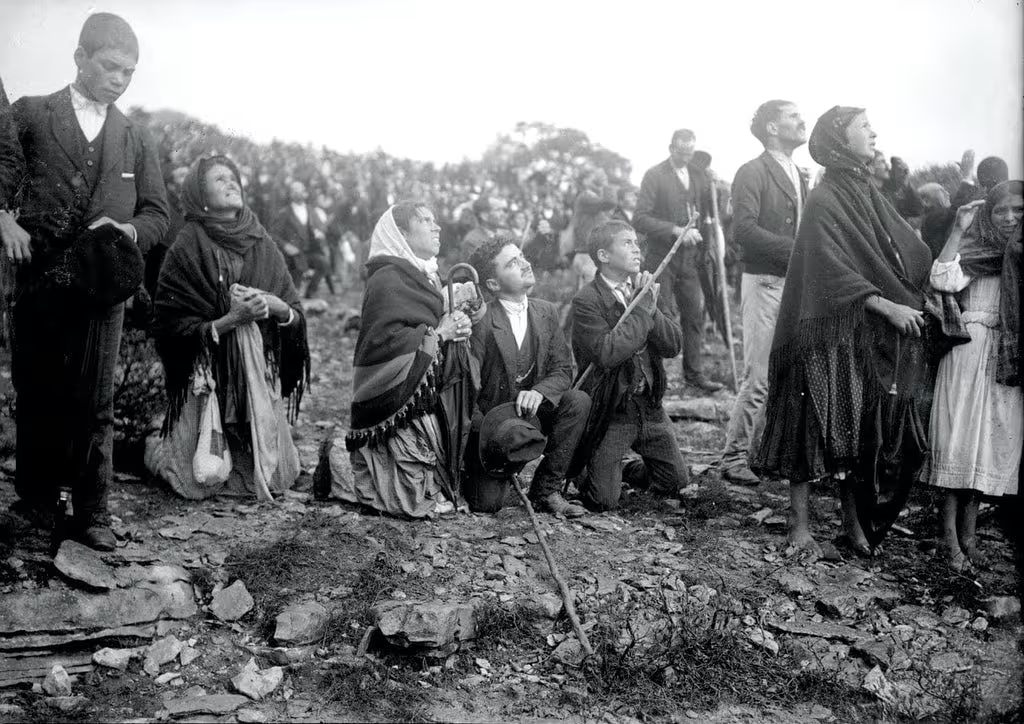
During her third apparition at Fátima, on July 13, 1917, the Virgin Mary is said to have told three young shepherds with prophetic visions that the First World War would come to an end, but that an even more terrible war would break out if humanity did not cease offending God. She called for the consecration of Russia to her Immaculate Heart. If these requests were fulfilled, Russia would convert and a period of peace would be granted to the world.
Transcribed by Lúcia dos Santos in 1941, the second part of this message states that if Mary’s requests were not fulfilled, Russia would spread its errors throughout the world, leading to wars and persecutions of the Church and its faithful. This text has been interpreted as a reference to communism, in light of the close timing between the July 1917 apparition, Lenin’s arrival in Petrograd (Saint Petersburg) that April, and the October Judeo-Bolshevik Revolution.
From Fátima to Saint Petersburg
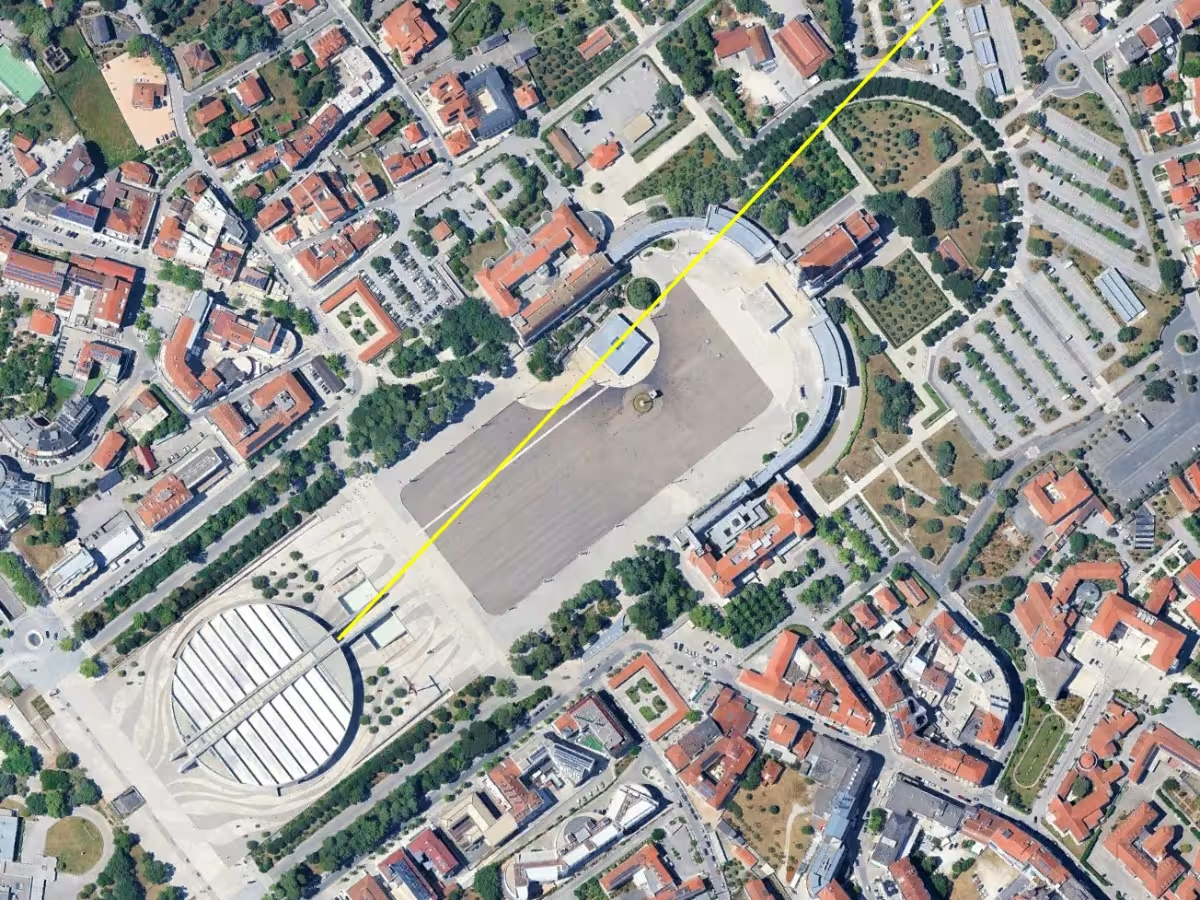
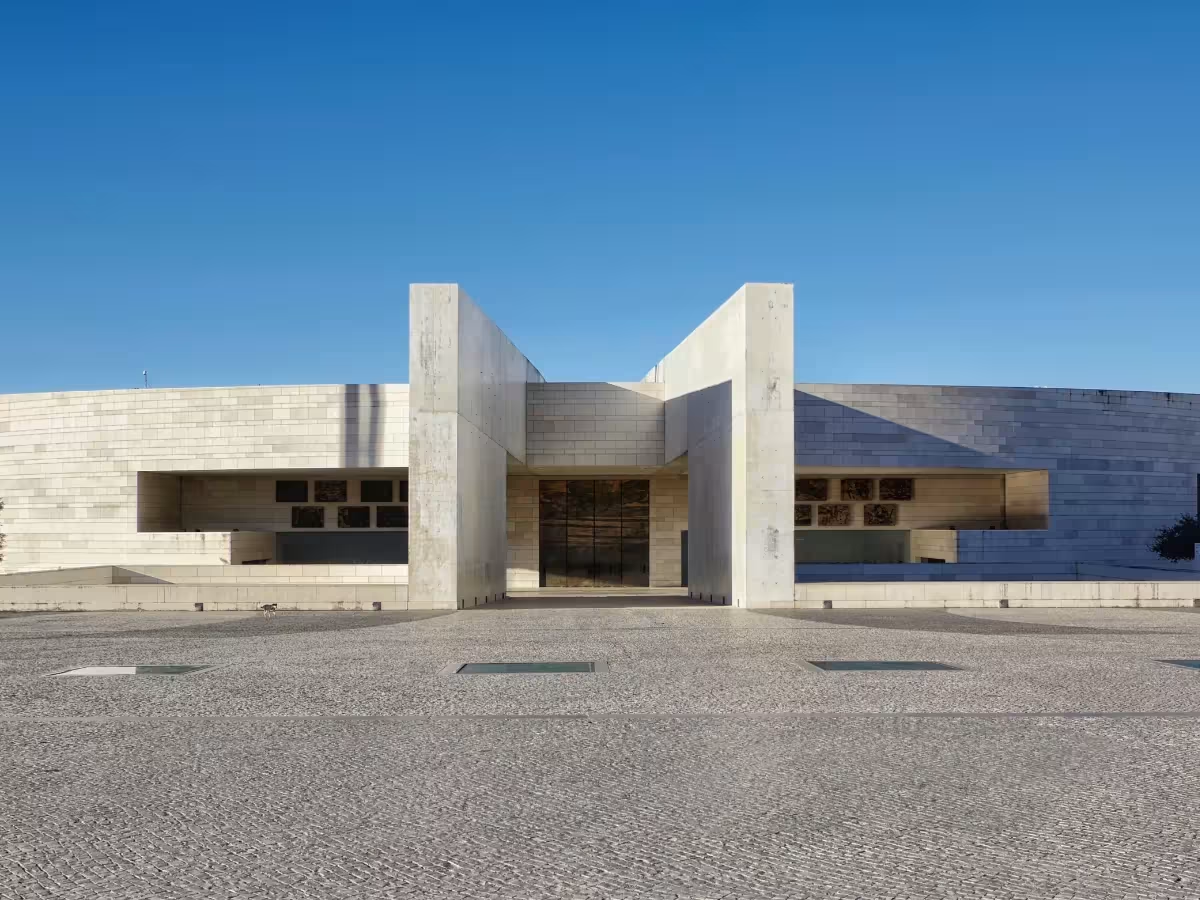
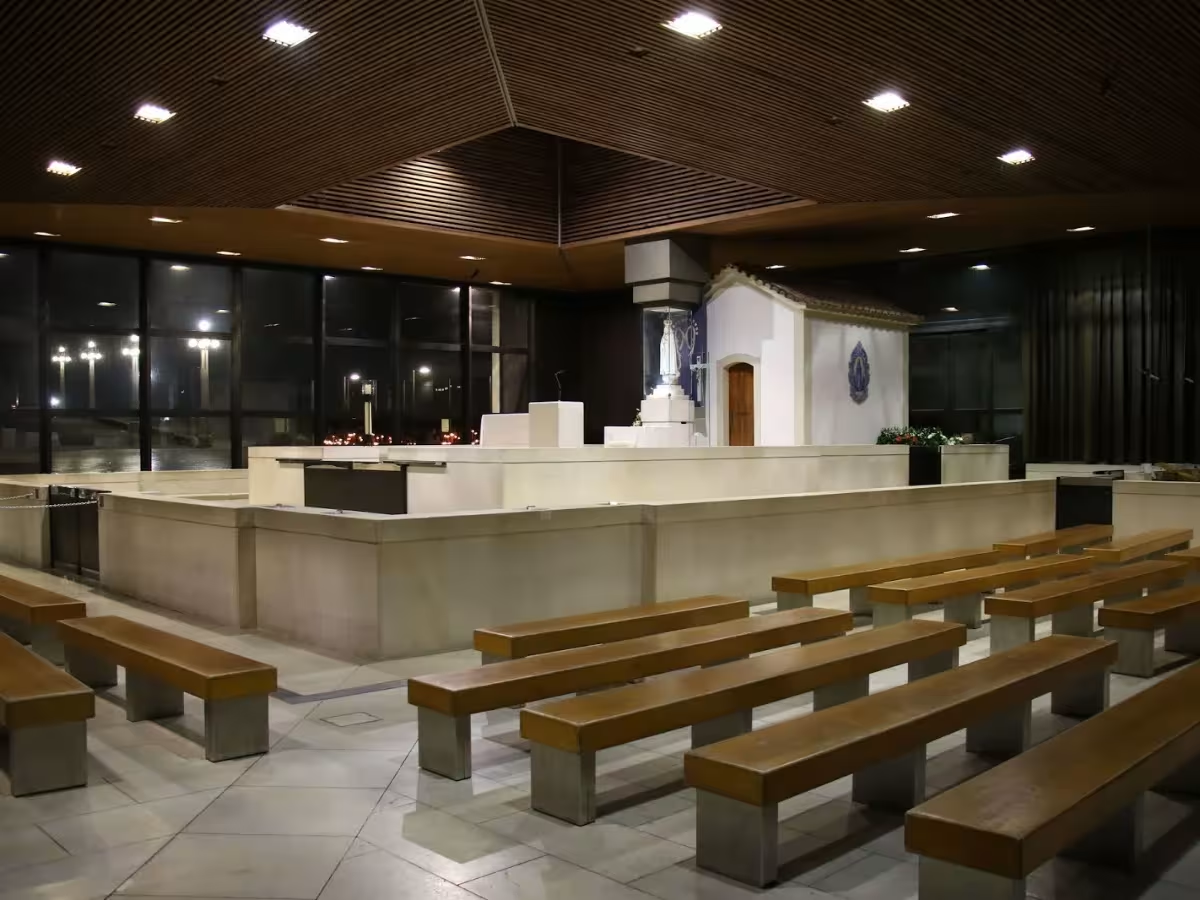
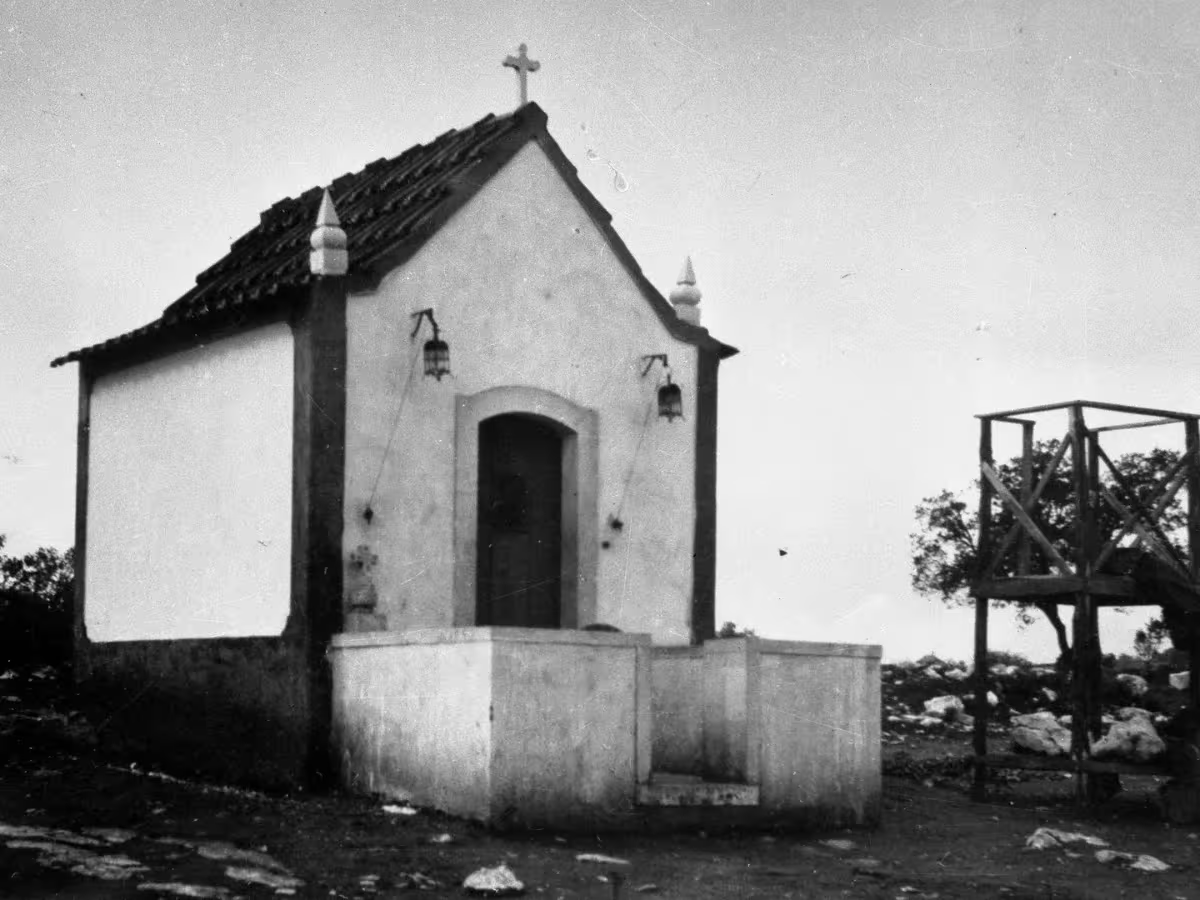
The Sanctuary of Our Lady of Fátima comprises several monumental buildings. But the one that interests us is the small Chapel of the Apparitions, built in 1919. The chapel is oriented toward Saint Petersburg, as is the canopy that has covered it since 1982. The alignment becomes even more apparent when the Basilica of the Most Holy Trinity, inaugurated in 2007, is considered in relation to the Chapel of the Apparitions: the line connecting the two buildings continues in the direction of Saint Petersburg.
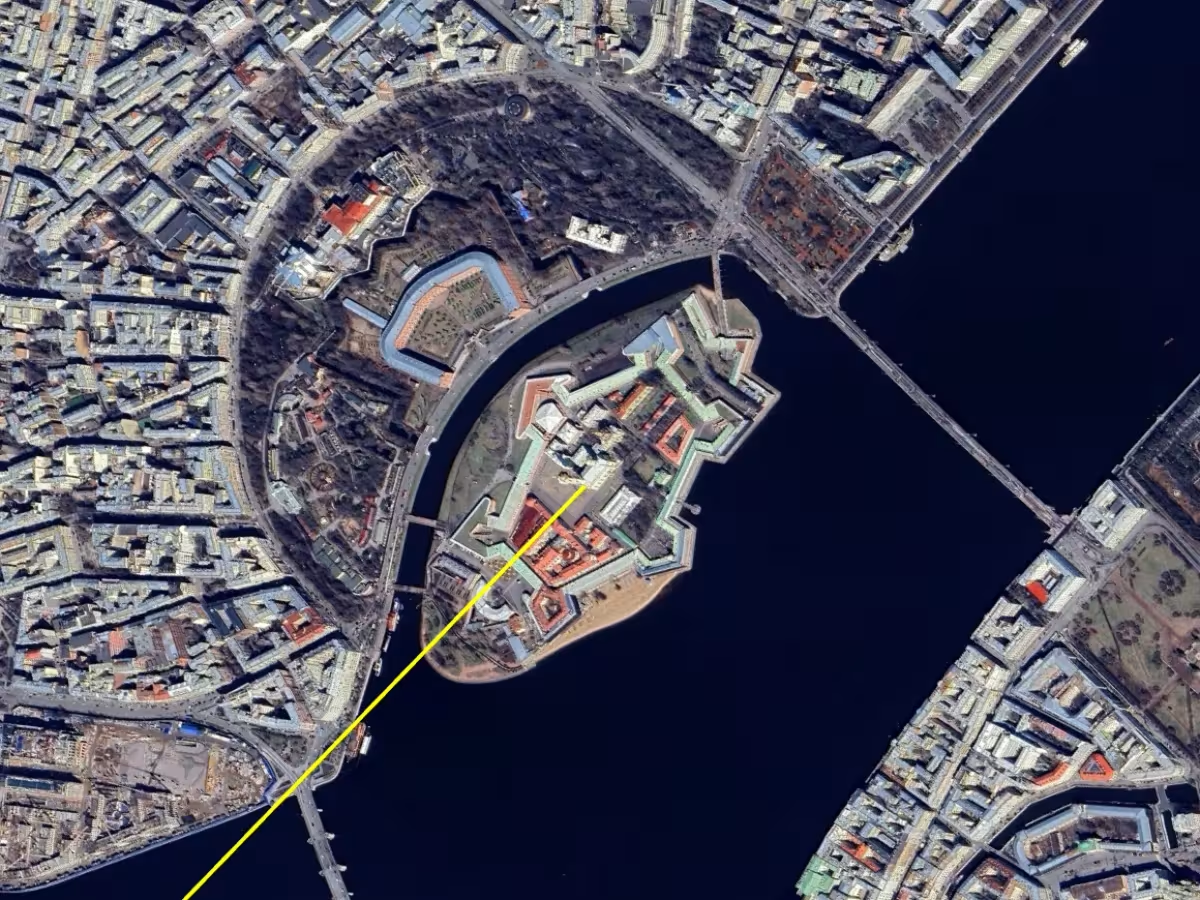
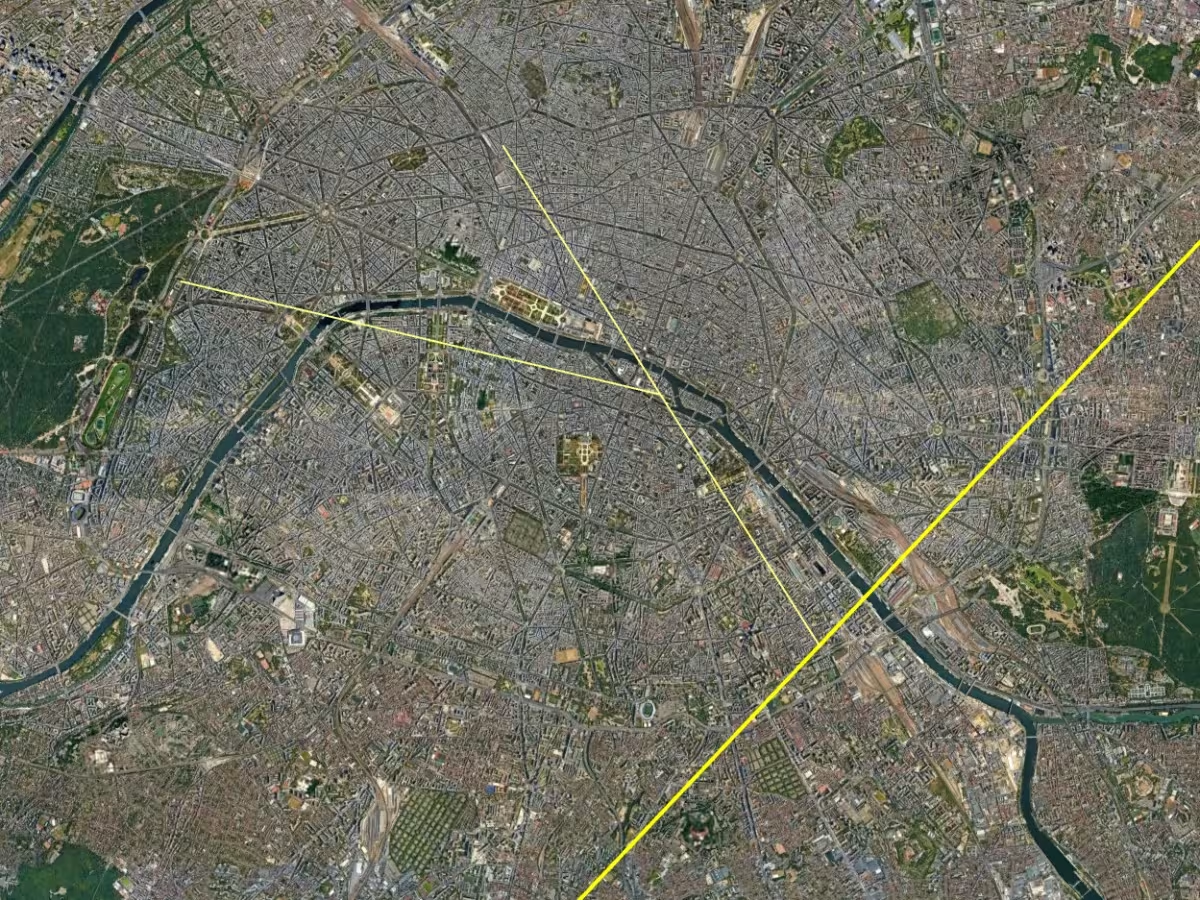
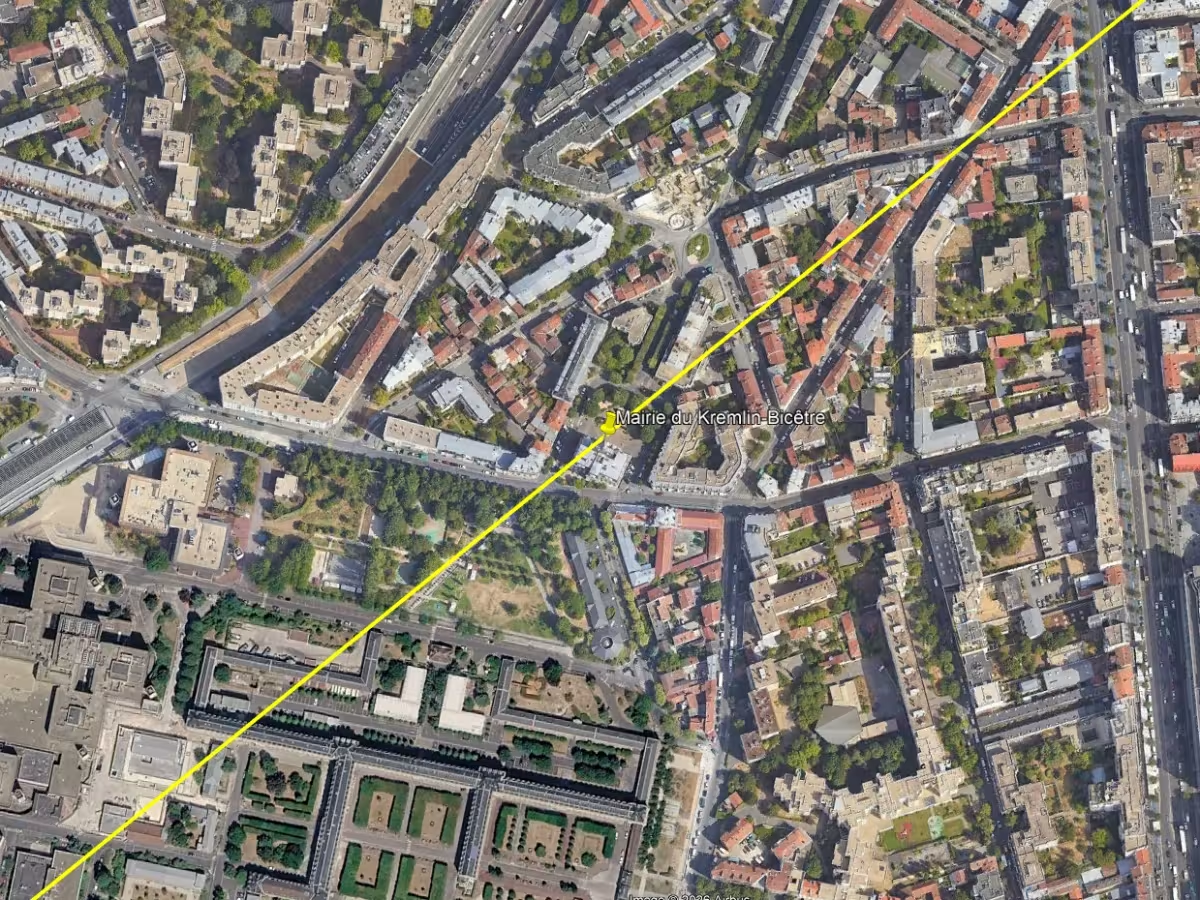
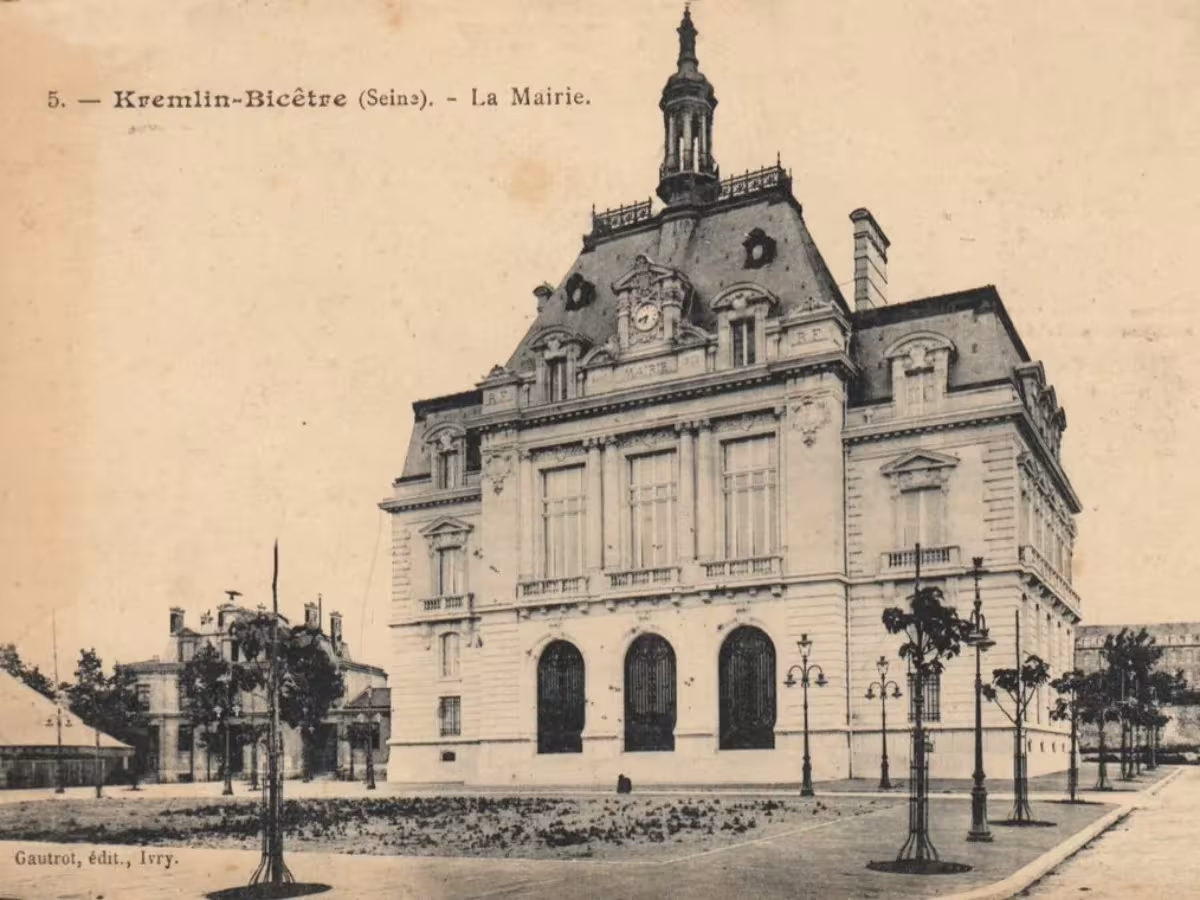
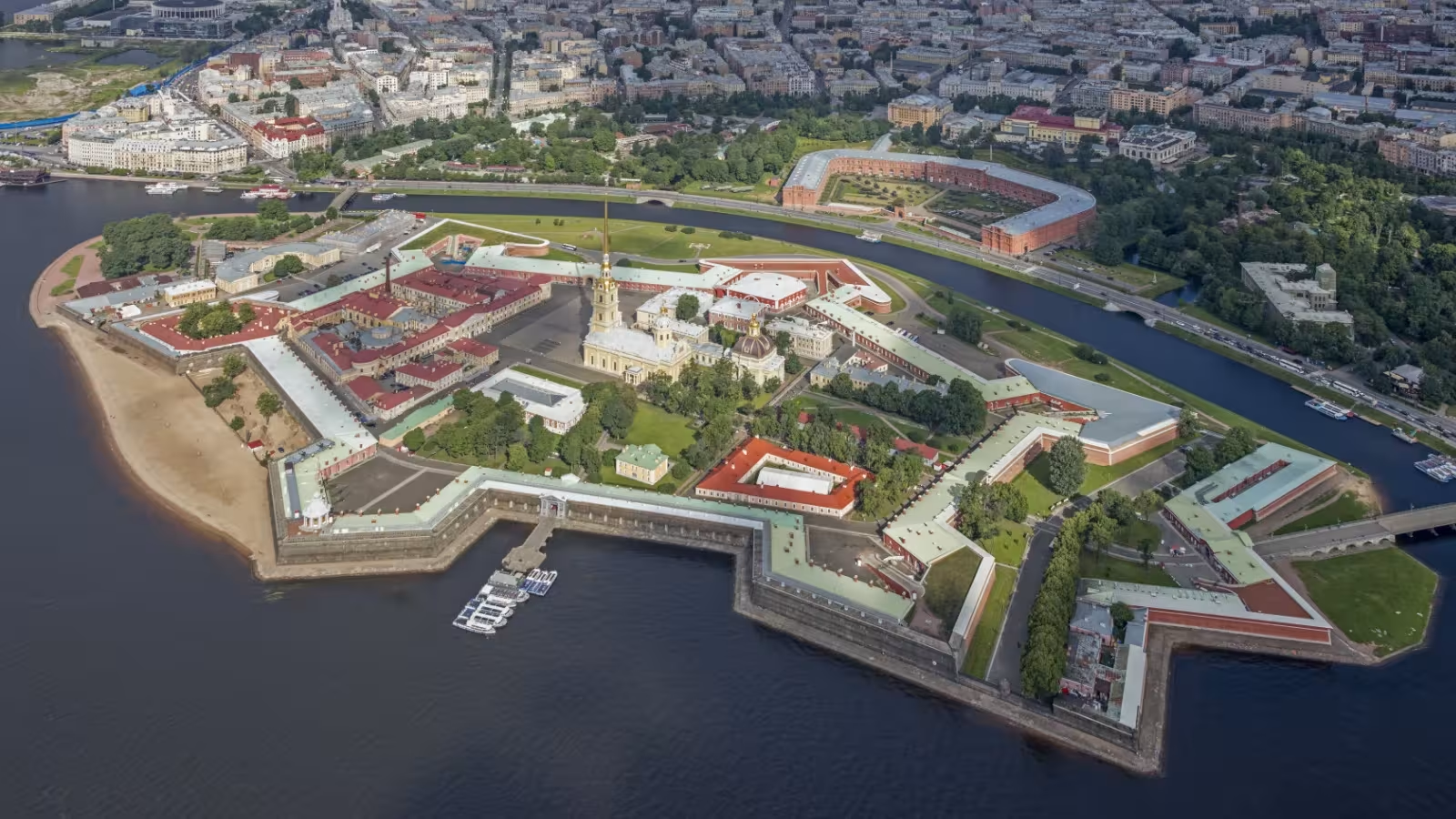
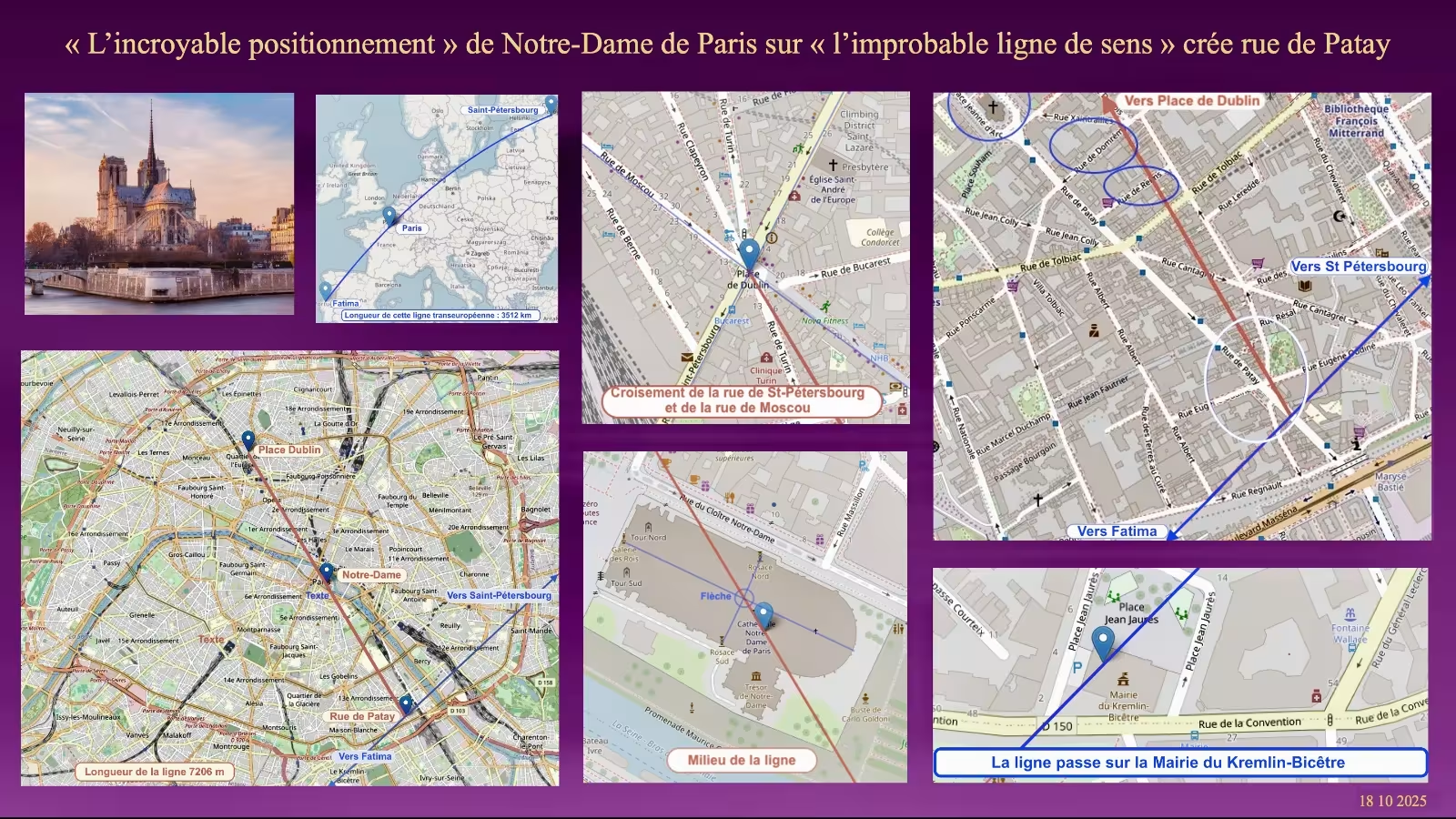
If the endpoint is placed on the Peter and Paul Cathedral in Saint Petersburg, the resulting line runs through the town hall of Le Kremlin-Bicêtre, in the southern suburbs of Paris.
This coincidence takes on meaning when we examine the origins of the places along the alignment.
French Empire vs. Russian Empire
Built on the very site where Saint Petersburg was founded in 1703, the Peter and Paul Cathedral embodies the continuity of the Russian Empire and monarchy up to the Revolution of 1917. The remains of Nicholas II and his family were reburied there in 1998, making the cathedral one of the foremost sites of imperial memory and of the revival of religious practice in Russia in the 21st century.
Le Kremlin-Bicêtre, meanwhile, brings together two names of different origins. At the end of the 13th century, the English bishop of Winchester had a castle built in the Paris region, and the name Winchester gradually evolved into Bicêtre through linguistic distortion. In the 19th century, survivors of Napoleon’s Grande Armée frequented a tavern called “Au Sergent du Kremlin” in the neighborhood around Bicêtre Hospital. The name Kremlin began appearing on maps as early as 1832, and Le Kremlin-Bicêtre became the municipality’s official name in 1896. It is the only French place name that unofficially commemorates Napoleon’s disastrous Russian campaign!
A commemorative plaque installed on the town hall in 1922 recalls the city’s “25 years of workers’, socialist and communist municipal government,” echoing the events that sealed the fate of the Russian Empire just a few years earlier.
Two Secondary Axes in Paris
Michel Bogé discovered two additional lines of meaning within the city of Paris itself.
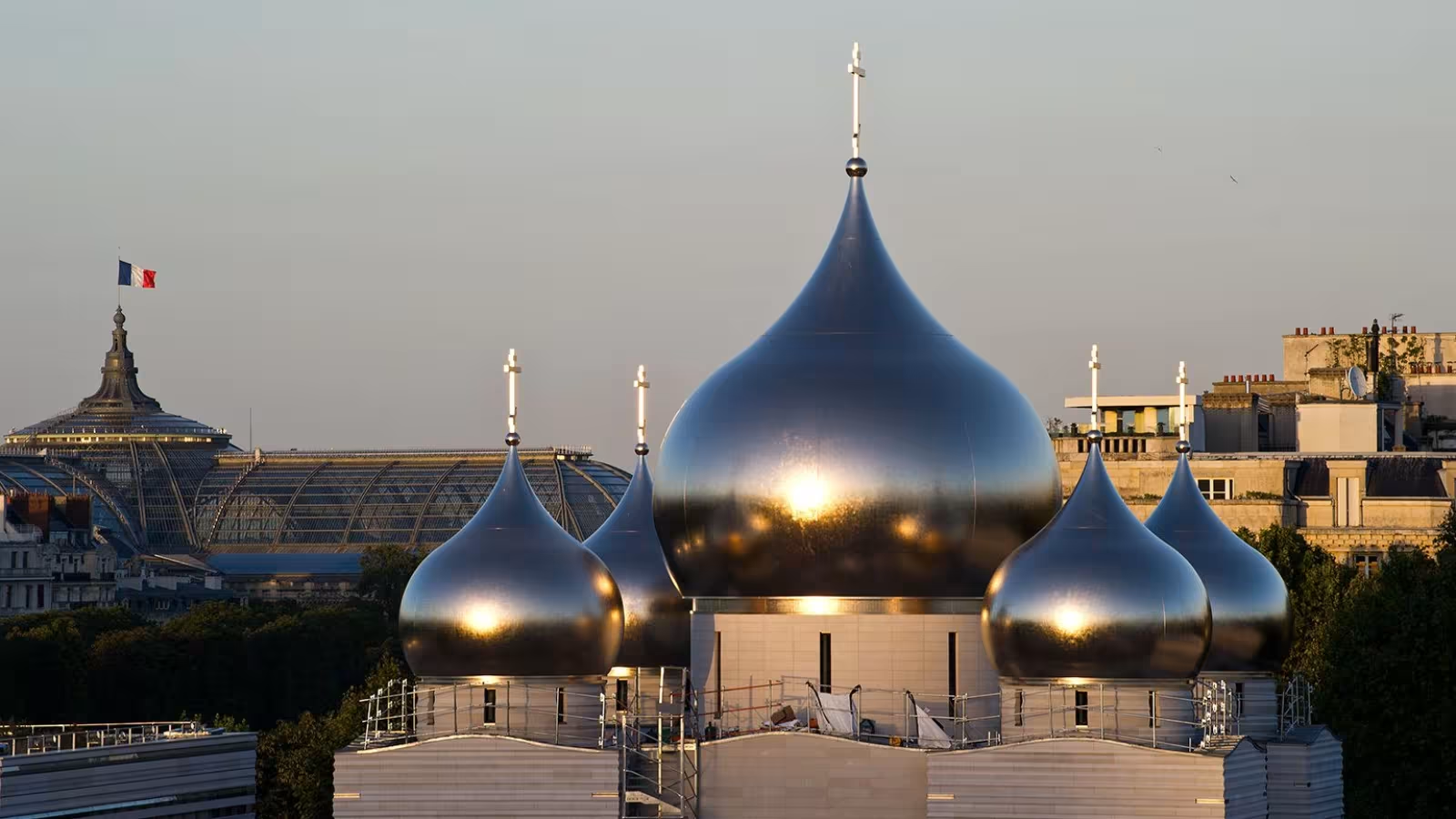
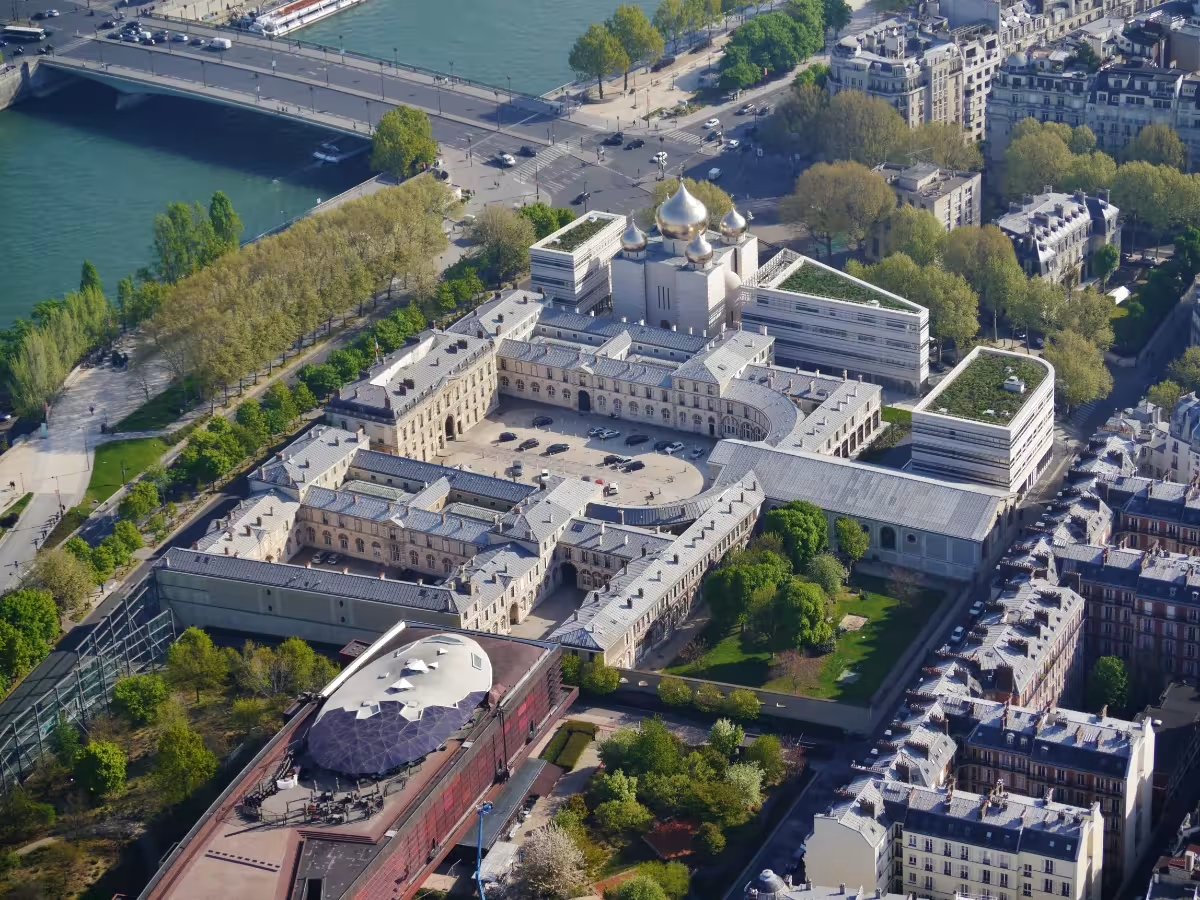
A line connecting the entrance to the Russian Embassy to the spire of Notre-Dame Cathedral passes between the Palais de l’Alma and a modern complex housing the Russian Classical Gymnasium, the Centre for Russian Studies, and the Holy Trinity Orthodox Cathedral.
The Palais de l’Alma is a listed historic monument whose name evokes the first major battle of the Crimean War, in which the French Empire, allied with Great Britain and the Ottoman Empire, defeated Russian troops in September 1854.
The neighboring buildings are intended to represent the historical, cultural, and spiritual ties between France and Russia. As soon as the complex was inaugurated in 2016, critics derisively dubbed it Kremlin-on-the-Seine, seeking to discredit the “Putin regime” that sponsored its construction.
A second axis can be drawn from the intersection of Rue de Moscou and Rue de Saint-Pétersbourg, in the 8th arrondissement, toward the spire of Notre-Dame. The extension of this axis meets the Fátima–Saint Petersburg axis at Rue de Patay, after crossing Rue de Domrémy and Rue de Reims. Through Notre-Dame, these Russian place names thus lead us back to the story of Joan of Arc, who embodies the unity and sovereignty of French territory.
France at a Crossroads
Written by Sovietologist Hélène Carrère d’Encausse (1929–2023), La Russie et la France : de Pierre le Grand à Lénine (Russia and France: From Peter the Great to Lenin) explores the tumultuous relationship between the two countries. Here is what the book’s back cover says:
Russia, a continental state stretching across Europe and Asia, has always claimed to be a European power. And for Russia, Europe was first and foremost, and always, France: the France of Louis XIV, the Enlightenment, the Revolution and the Empire; the France of ideas, language, culture, freedom, and power. For three centuries, this France fascinated every Romanov ruler, all determined to have Russia recognized, accepted, and loved by France, and to secure for it the status of a power equal to France. France, for its part, responded with lasting distrust and hostility, viewing Russia as a backward, barbaric country, alien to Europe and dangerous, before eventually forming an alliance with it when the powerful German Empire forced this change of course. For three centuries, the troubled relationship between these two countries formed an essential part of European history, before being swept away by the great cataclysm of the First World War.
We have seen that Our Lady of Fátima directly addresses Russia during the First World War and links its destiny to that of world peace. Through the symplanicity described above, and with the help of Joan of Arc and Notre-Dame, France is now called upon to reconnect with its Christian roots and forge closer ties with Russia. As these lines are being written, however, it appears that France is preparing to wage another ruinous war against Russia on the Ukrainian front, after having already participated indirectly in the hostilities. Will it learn from its mistakes?