
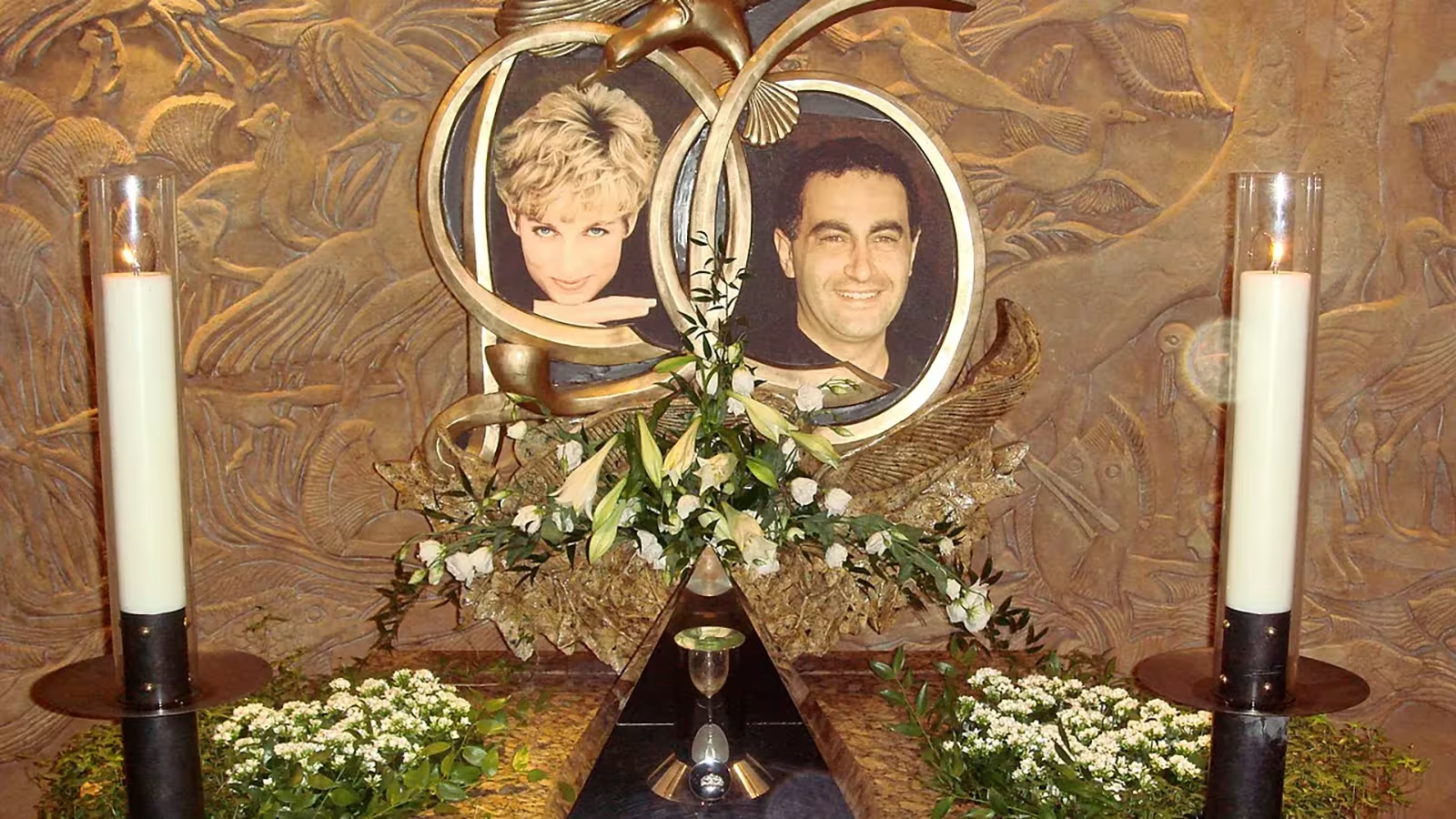
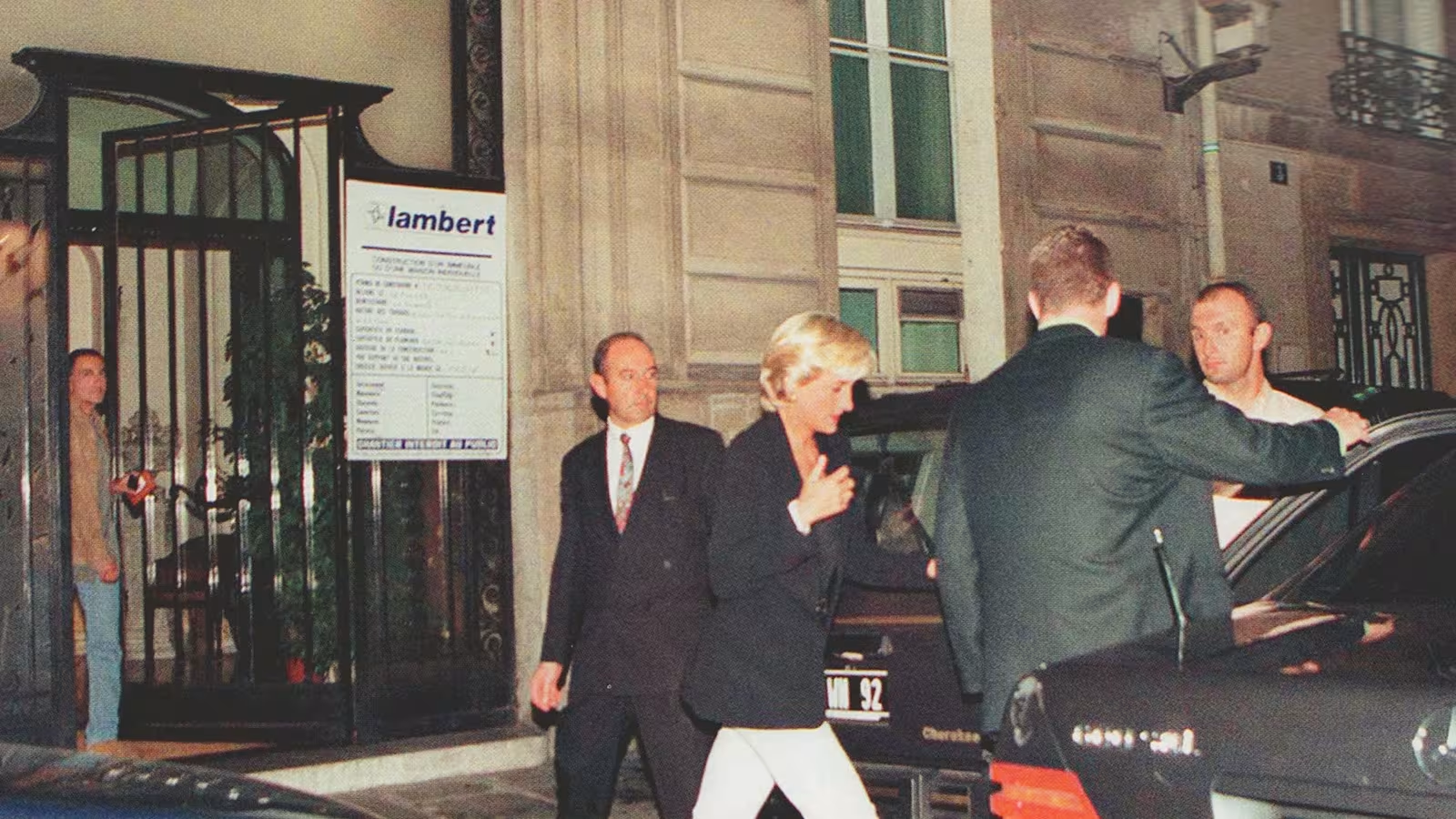


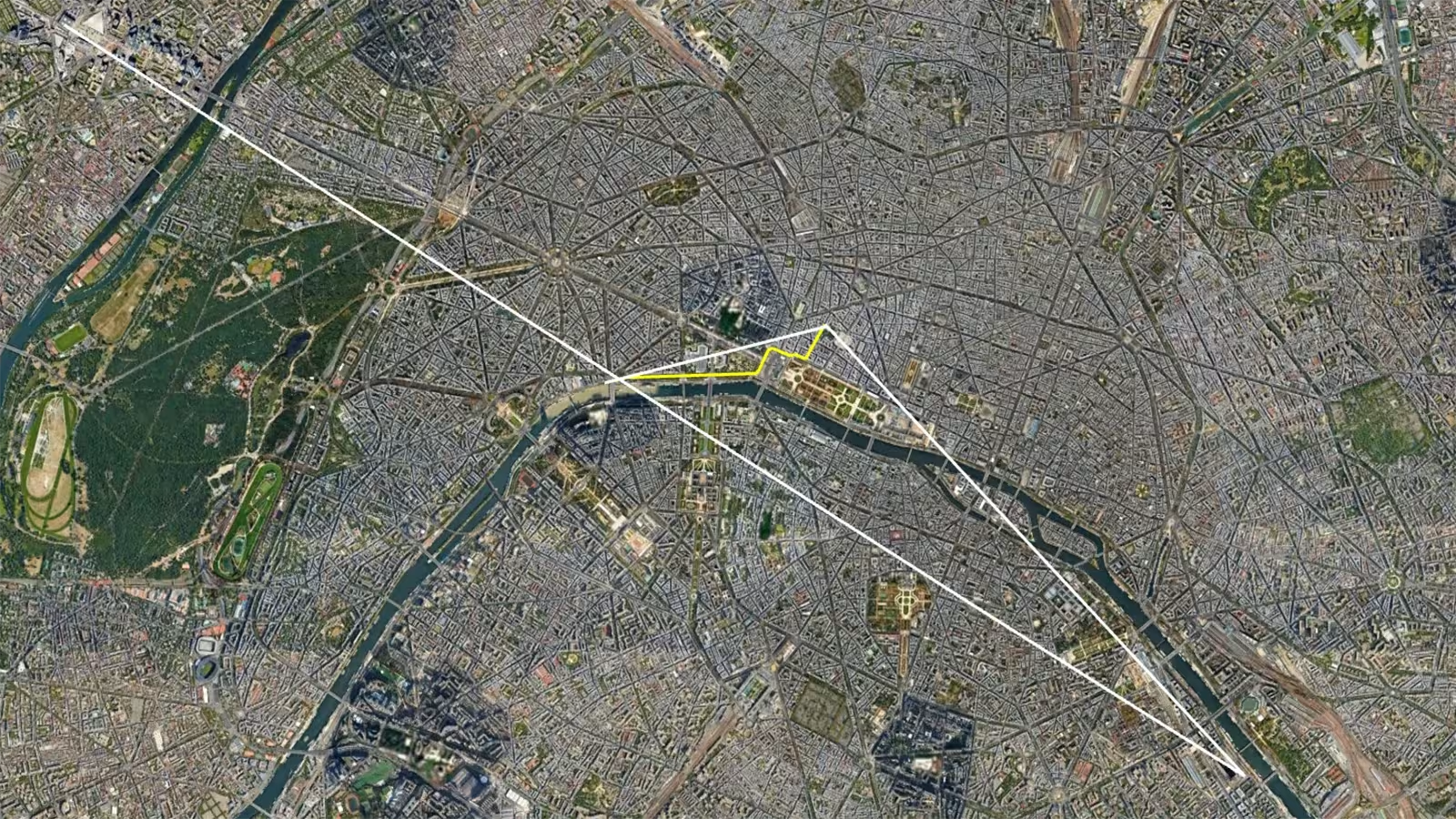


The death of Lady Di and her companion Dodi Al Fayed, a Muslim of Egyptian origin, triggered an unprecedented wave of emotion worldwide. Here, we will examine the mysterious car crash that claimed their lives through the lens of symplanicity, in relation to the geometry of the city of Paris. The magnitude of this event is such that several symbolic alignments emerge from it, forming a polygon.
The Main Axis: Shock and Awe
This alignment is created by connecting the departure point and the destination point of the vehicle carrying Diana and Dodi Al-Fayed. The actual route of the Mercedes driven by Henri Paul was more complex and notably passed by the Luxor Obelisk, located on Place de la Concorde. As you will see in what follows, Egyptian symbolism is omnipresent in the “signature” of the event. We will never know whether Henri Paul was truly intoxicated, as the official version of events maintains, or whether his vehicle was sabotaged. However, we can examine the locations virtually traversed.
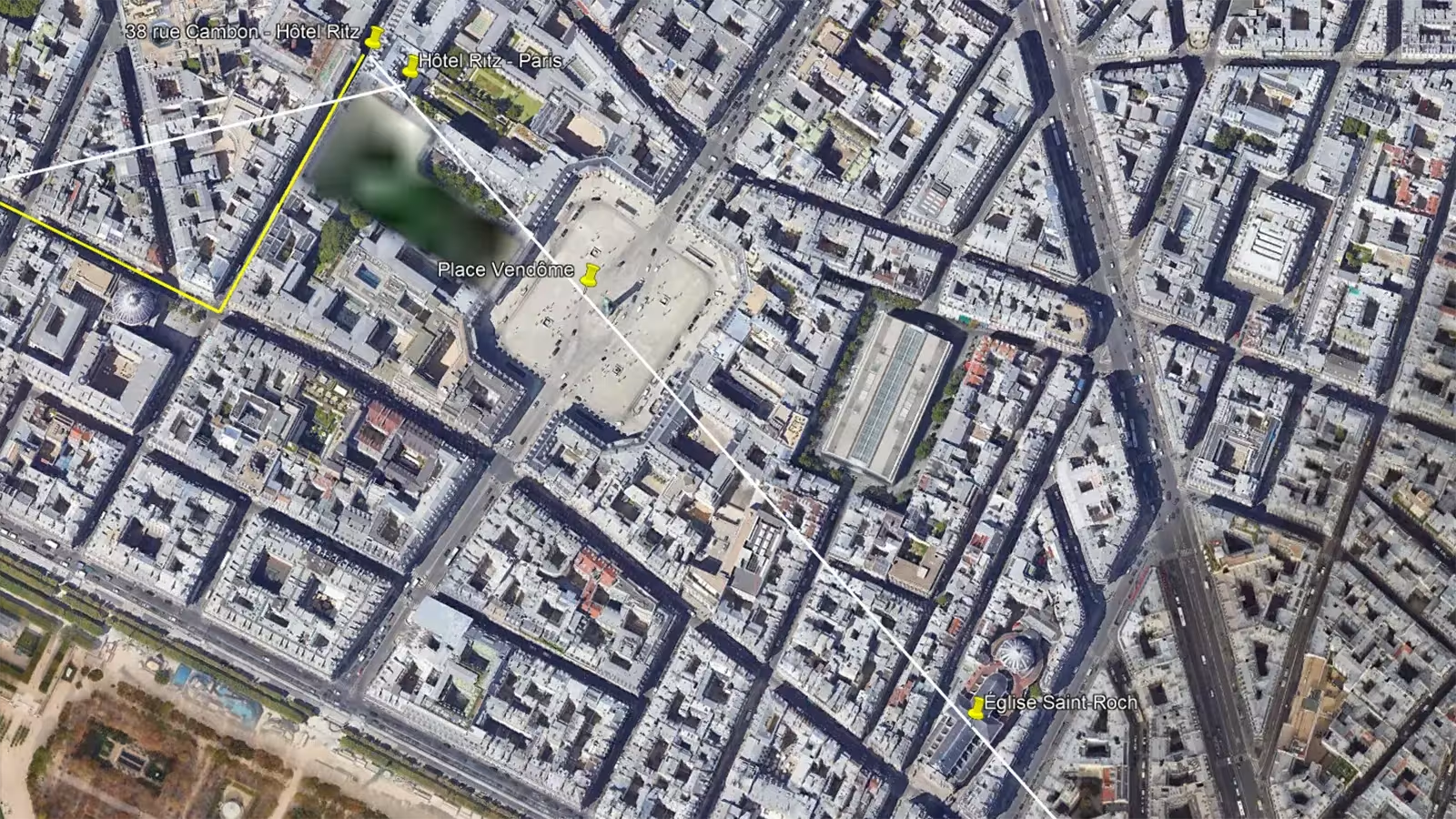
This first alignment begins at the rear entrance of the Hôtel Ritz, at 38 rue Cambon. This is the exit Diana, Dodi, and their bodyguard Trevor Rees-Jones chose to use in order to escape the paparazzi waiting in Place Vendôme shortly after midnight on August 31, 1997.
The alignment passes in front of the American Embassy (2 rue Gabriel), at the location where imposing security barriers were erected after September 11, 2001 — a retrospective sign of the “clash of civilizations” pursued by the Americano-Zionist establishment of the time. The alignment appears reinforced as it passes through the center of the Grand Palais, the former Universal Exposition hall that became a contemporary art gallery, thereby drawing on the imagination and emotions of its visitors.
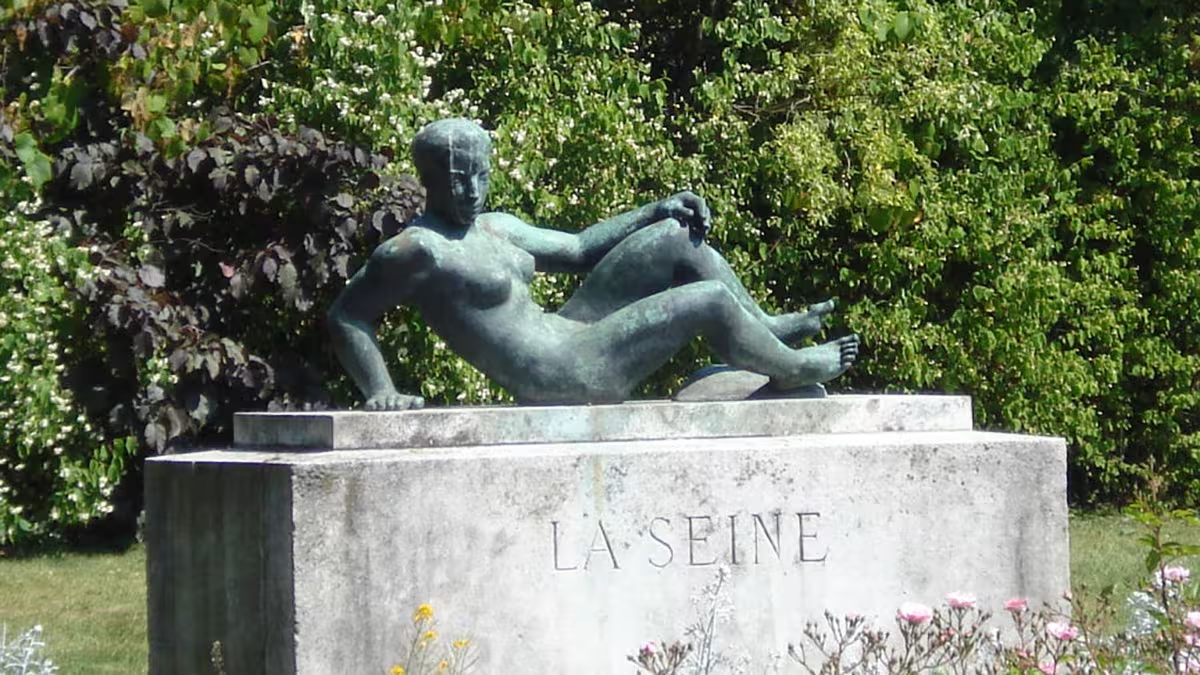
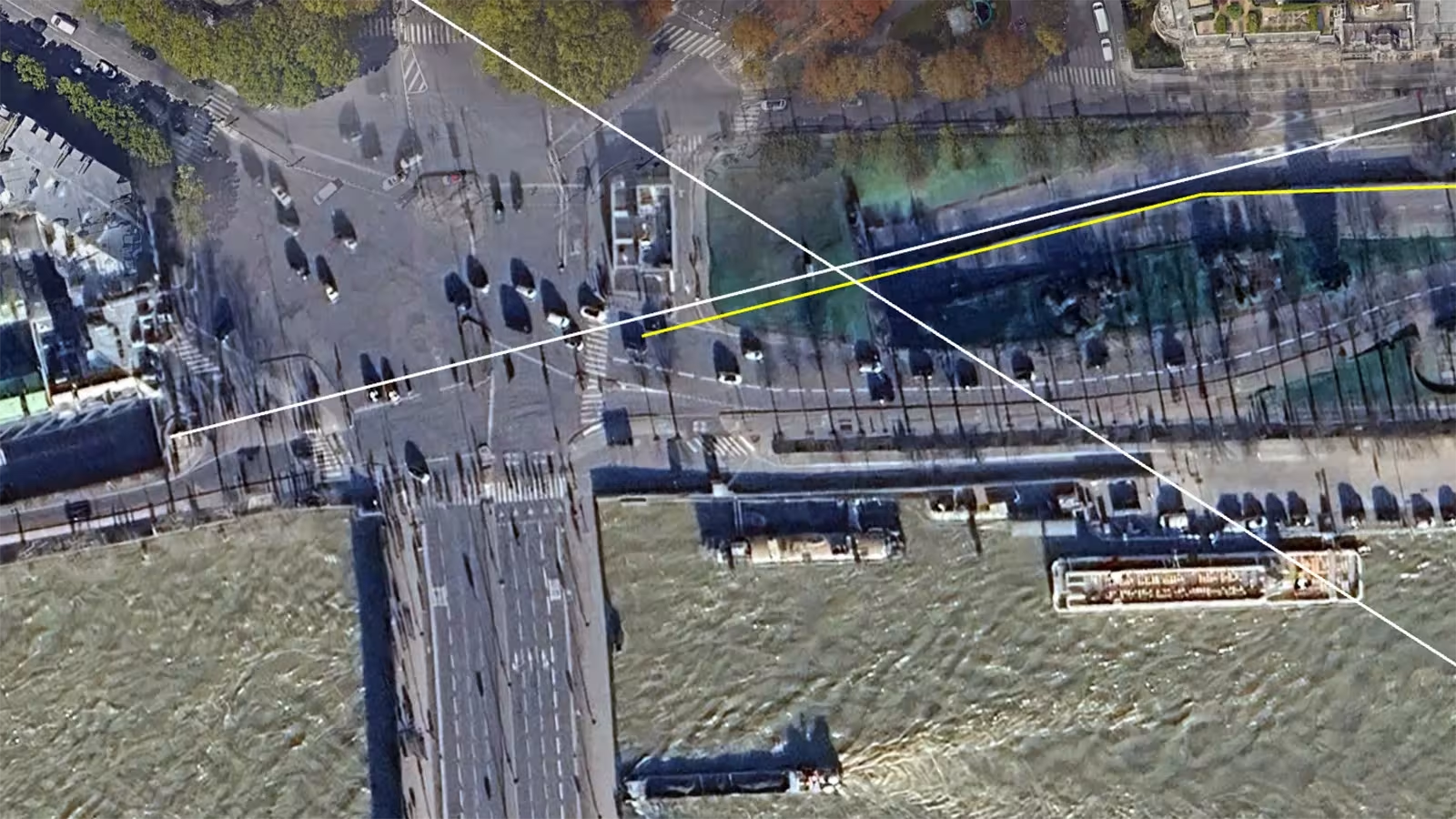
Continuing along this line, we arrive directly at the eastern entrance of the Alma Tunnel — the place where the Mercedes sped in and struck the 13th pillar, never to emerge again. At street level stands a statue by Gérard Choain entitled La Seine (the “scene” of the tragedy), depicting a reclining woman intended to represent the river of the same name.
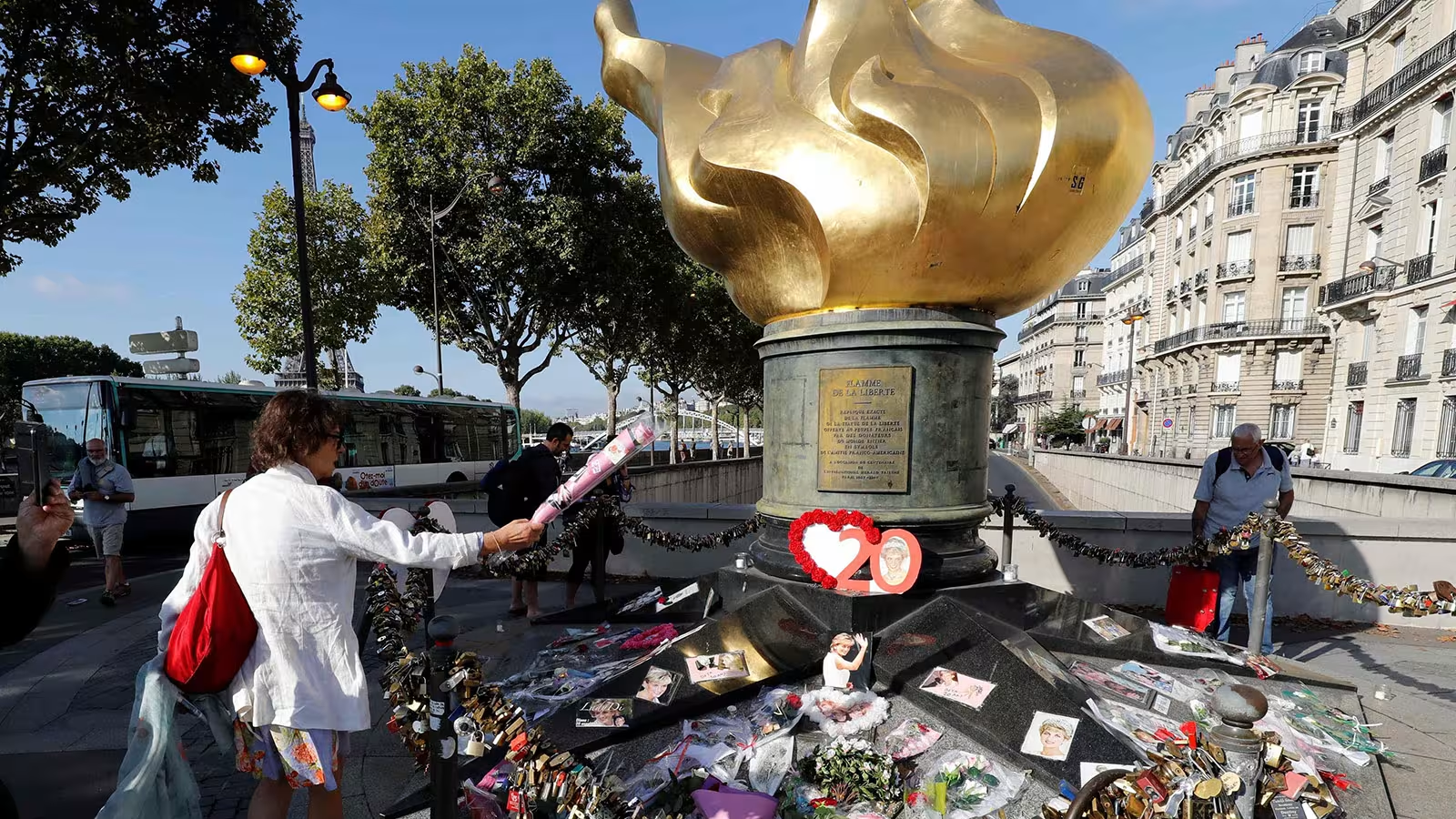
Extending the axis by a few dozen meters brings us to the Flame of Liberty, a full-scale replica of the torch of the Statue of Liberty in New York. In the days following the crash, the public spontaneously transformed this monument into an altar dedicated to Diana.
The Axis of the Grande Arche
To understand the “grand design” at work on that fateful night, we must consider the second alignment, which intersects the first at the entrance to the Alma Tunnel.
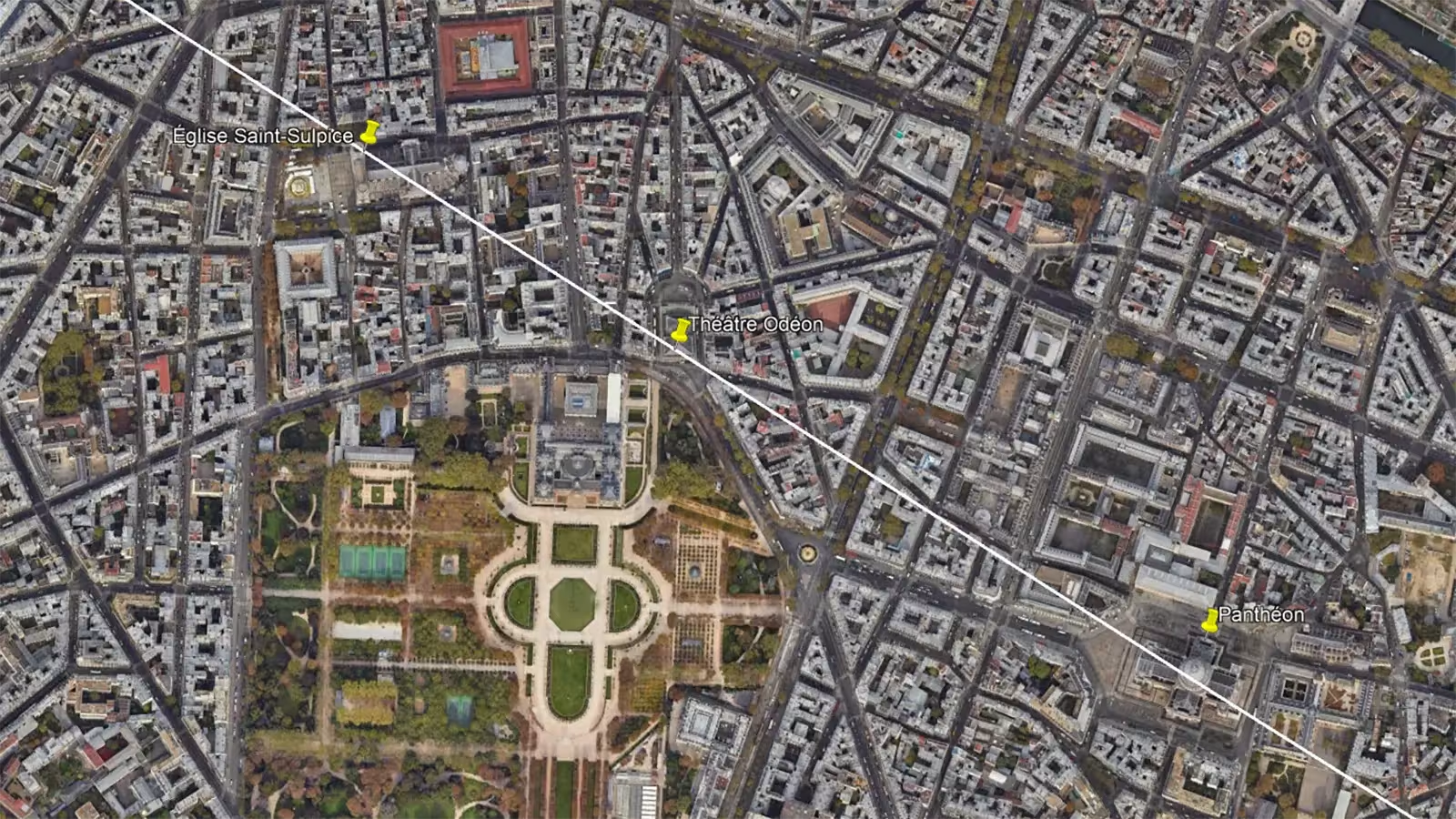
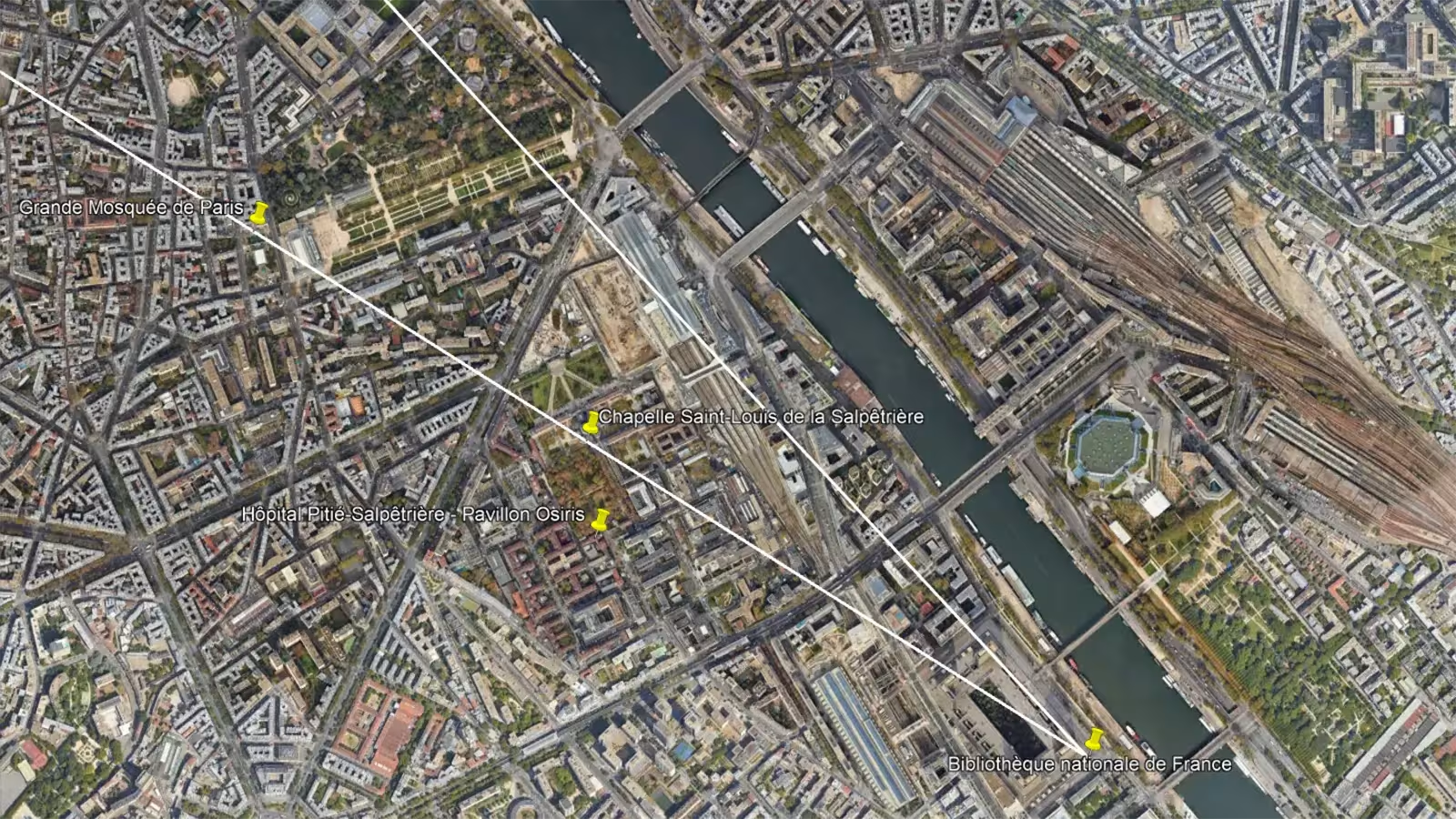
Close observers of the city of Paris have noted that the Grande Arche, which completes a ten-kilometer perspective beginning at the Louvre, is offset by a few degrees so as to face the Panthéon and the National Library. The National Library resembles an open tomb — as in the expression “driving at breakneck speed” (literally “at open tomb”) — surrounded by four towers meant to represent books. This configuration poses various practical problems, yet it was firmly insisted upon by President François Mitterrand.
Between these two extremities stand Saint-Sulpice Church, the Panthéon (the necropolis of France’s famous and influential figures), and the Pitié-Salpêtrière Hospital, where Diana’s death was officially pronounced. This hospital includes a pavilion named Osiris, after the Egyptian god.
We also encounter several elements recalling Dodi Al-Fayed’s Egyptian and Arab-Muslim origins. First, the axis crosses the Egyptian Consulate, which at the time was located at 58 Avenue Foch. It then crosses Place des États-Unis, surrounded by embassies of Arab countries aligned with the Americano-Zionist order, including Egypt, Bahrain, Kuwait, and the Sultanate of Oman. There is no trace of Libya or Syria, which fiercely maintained their independence until their dismantling in the 2010s. The final and significant site crossed by this axis is the Grand Mosque of Paris.
The Axis of Notre-Dame
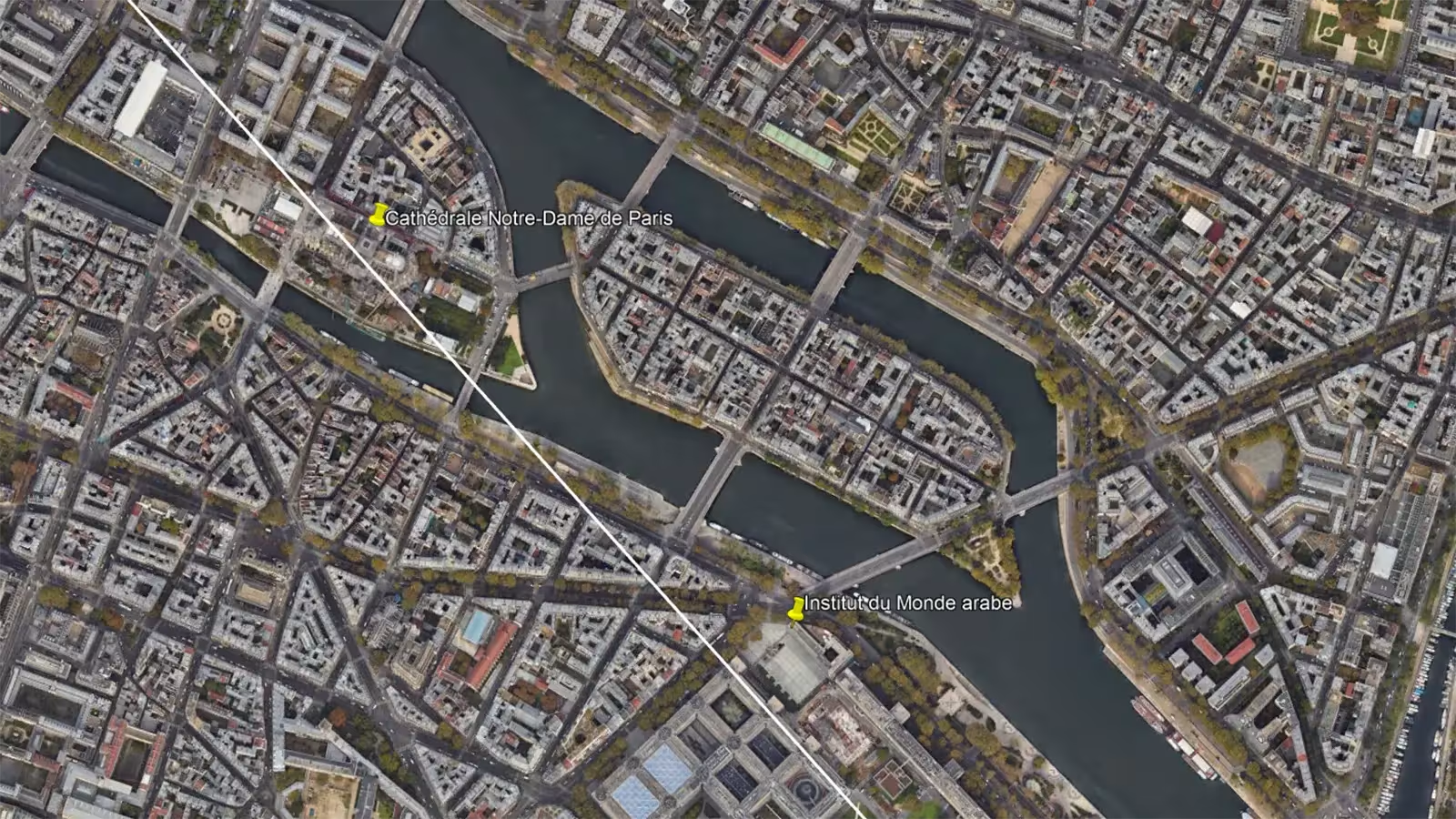
A third axis can be drawn by connecting 38 rue Cambon to the National Library. It passes through the Vendôme Column, Saint-Roch Church, and the spire of Notre-Dame Cathedral, which collapsed during the fire of April 15, 2019. This axis also skirts the Arab World Institute, further intensifying the Arab-Muslim tone of this somber tableau. At the time of writing, the Arab World Institute has never been headed by an Arab or a Muslim.
Conclusion
In summary, the three axes presented below contain:
four Christian places of worship (Saint-Sulpice Church, Saint-Roch Church, Notre-Dame Cathedral, and Saint-Louis Chapel);
one Muslim place of worship (the Grand Mosque of Paris);
three locations associated with the United States (the Embassy, the square bearing its name, and Place de l’Amiral-de-Grasse, a figure who contributed to that country’s independence);
two locations associated with modern Egypt (the Embassy and the former Consulate);
the Arab World Institute;
two “pharaonic” projects of French President François Mitterrand, located at each extremity — namely the Grande Arche and the Bibliothèque nationale de France. It should be noted that President Mitterrand was fascinated by Egypt to the point of traveling there regularly, including just days before his death.
If the crash that cost Diana and Dodi their lives was the result of sabotage, we can only speculate about the true intentions of those responsible. Who stood to gain from interrupting this relationship between British royalty and a well-born Arab Muslim? Would a divorce from Charles, followed by a marriage to Dodi Al Fayed, have derailed the Project for the New American Century envisioned by American neoconservatives, which led to the invasions of Iraq and Afghanistan?