
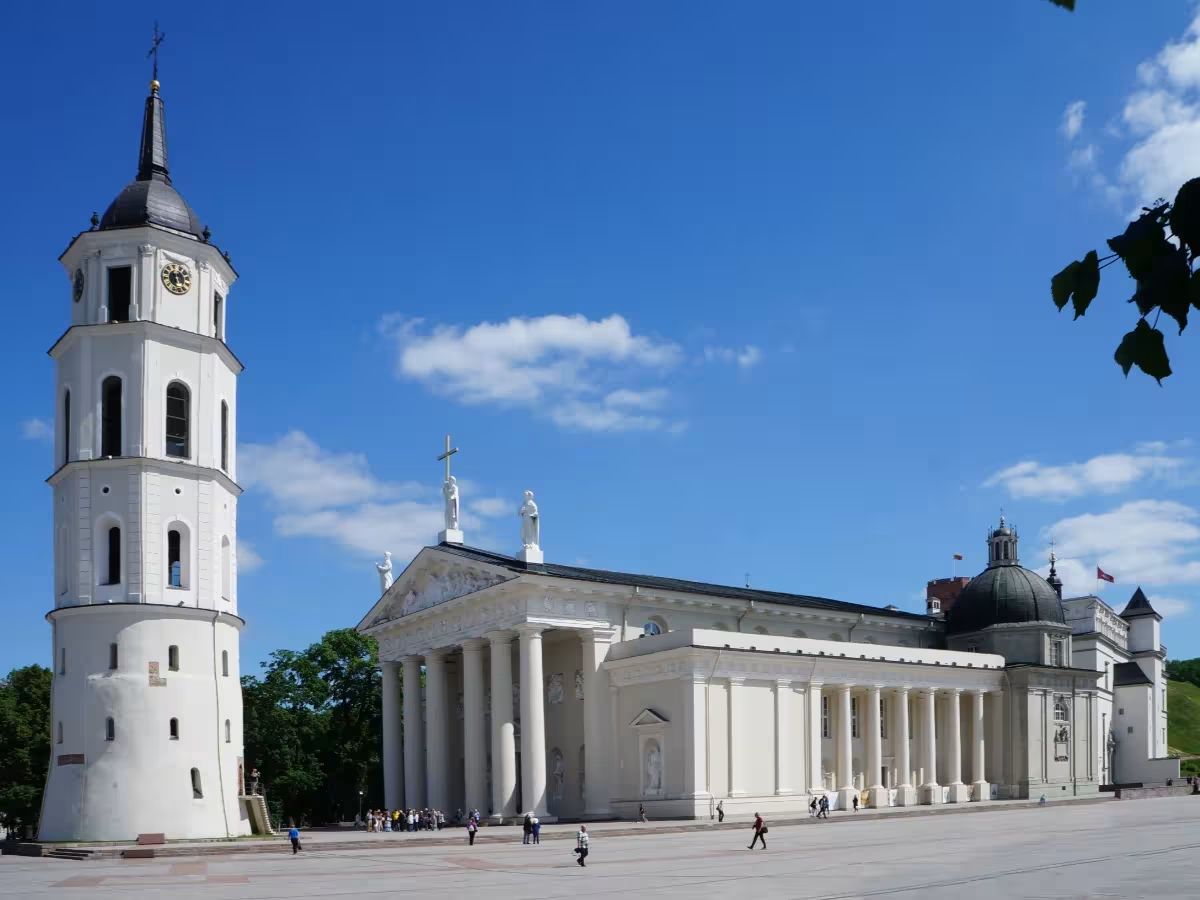

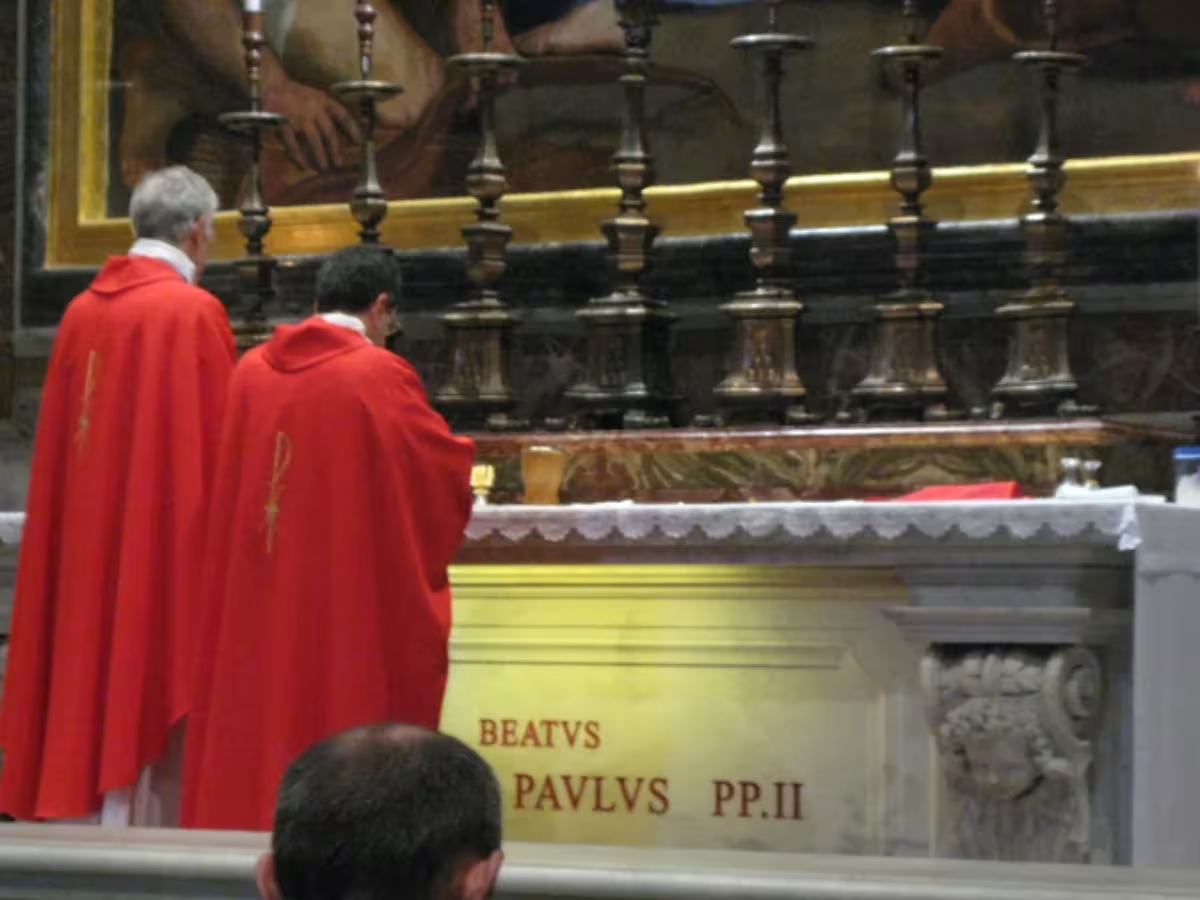
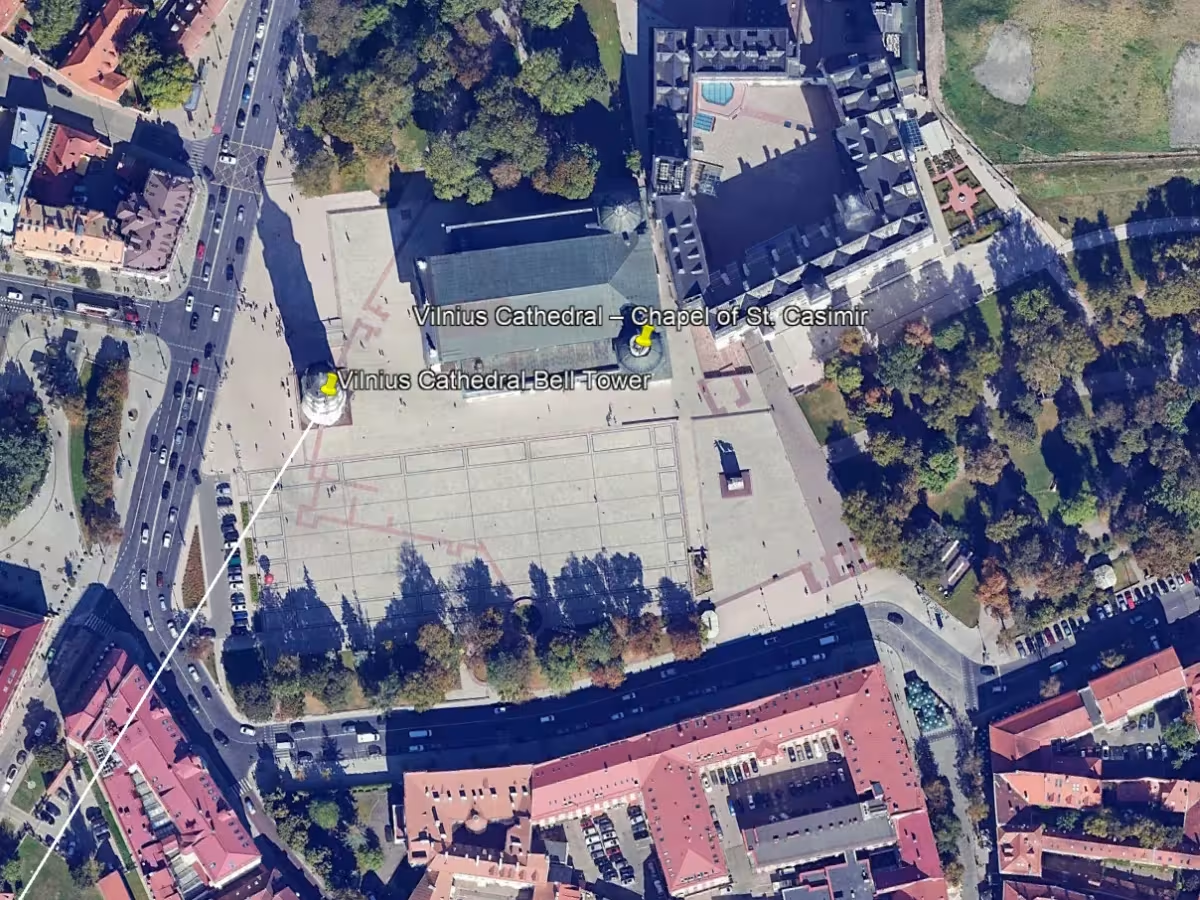


Discovered by Thierry Van de Leur in 2015, this symbolic line reveals a connection linking the Vatican, the Holy Father John Paul II, and his native Poland. It illustrates the concept of the “midpoint,” whose presence helps illuminate the significance of the sites located at either end. In this case, the line connects Vilnius Cathedral in Lithuania to the dome of St. Peter’s Basilica in Rome.
Inscribed on the UNESCO World Heritage List, Vilnius Cathedral is dedicated to Saint Stanislaus (Stanislaus of Szczepanów), patron saint of Poland. It also contains a chapel dedicated to Saint Casimir, patron saint of Lithuania and secondary patron of Poland. Historically, the Kingdom of Poland and the Grand Duchy of Lithuania were united within a single political entity known as the Polish–Lithuanian Commonwealth, which existed from 1569 to 1795.
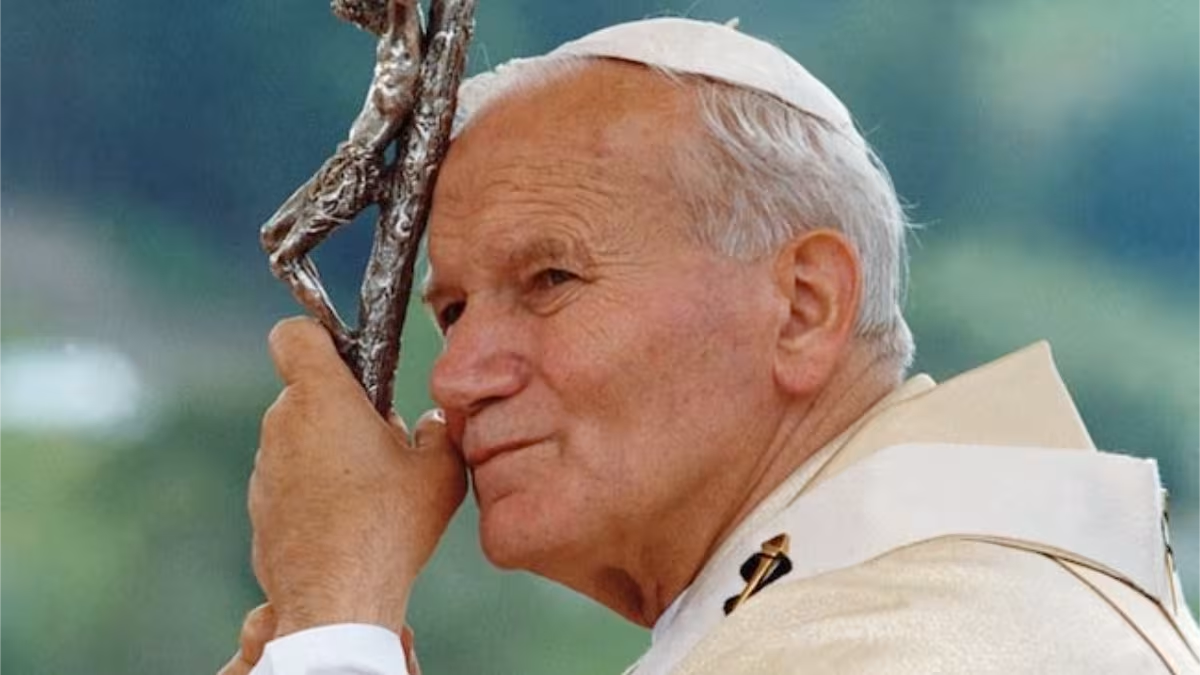
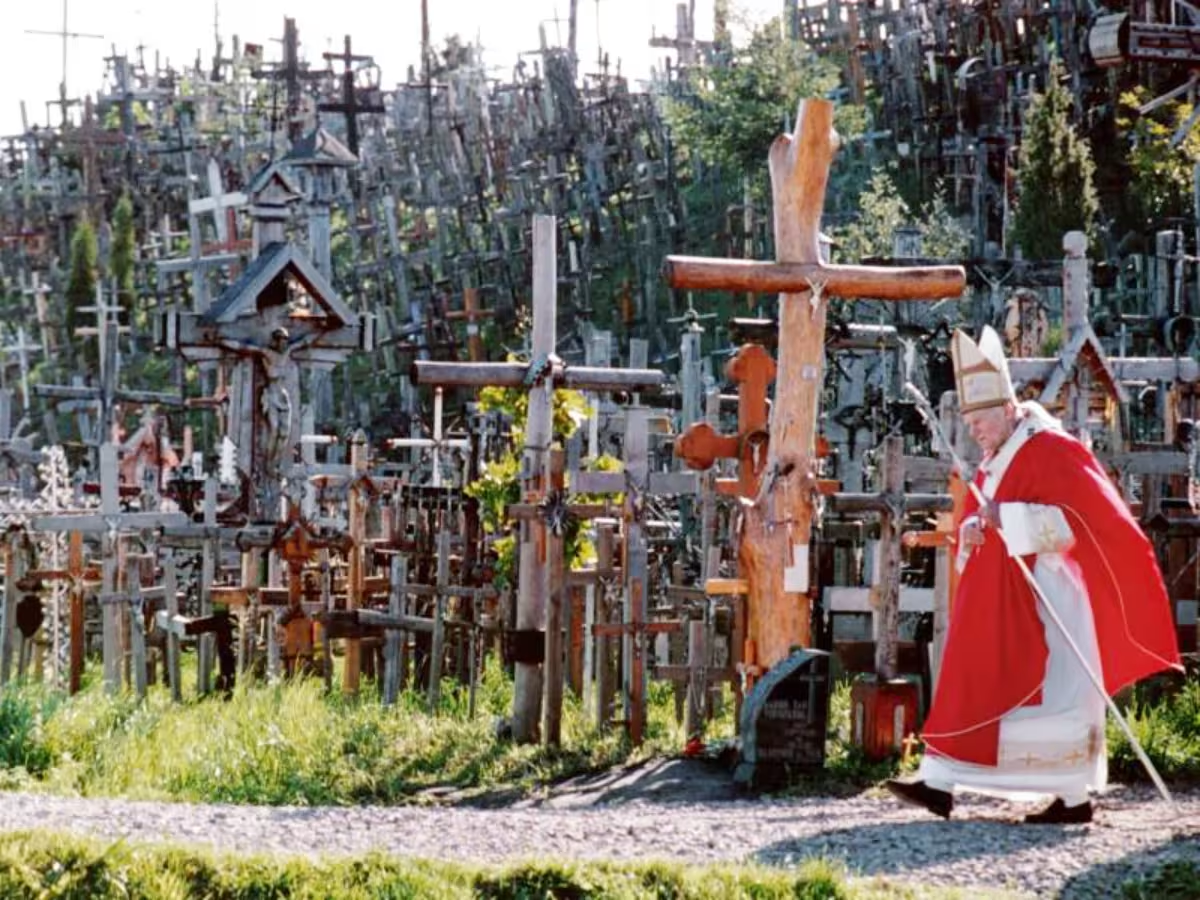
The first Polish and Slavic pope in the history of the Catholic Church, John Paul II visited Vilnius Cathedral on September 4, 1993. His journey then continued to the Hill of Crosses near Šiauliai, the Marian shrine of Šiluva, and later to Latvia and Estonia.
At the opposite end of the line, St. Peter’s Basilica in Rome contains a chapel dedicated to Saint Sebastian, where John Paul II has been buried since his beatification in 2011.
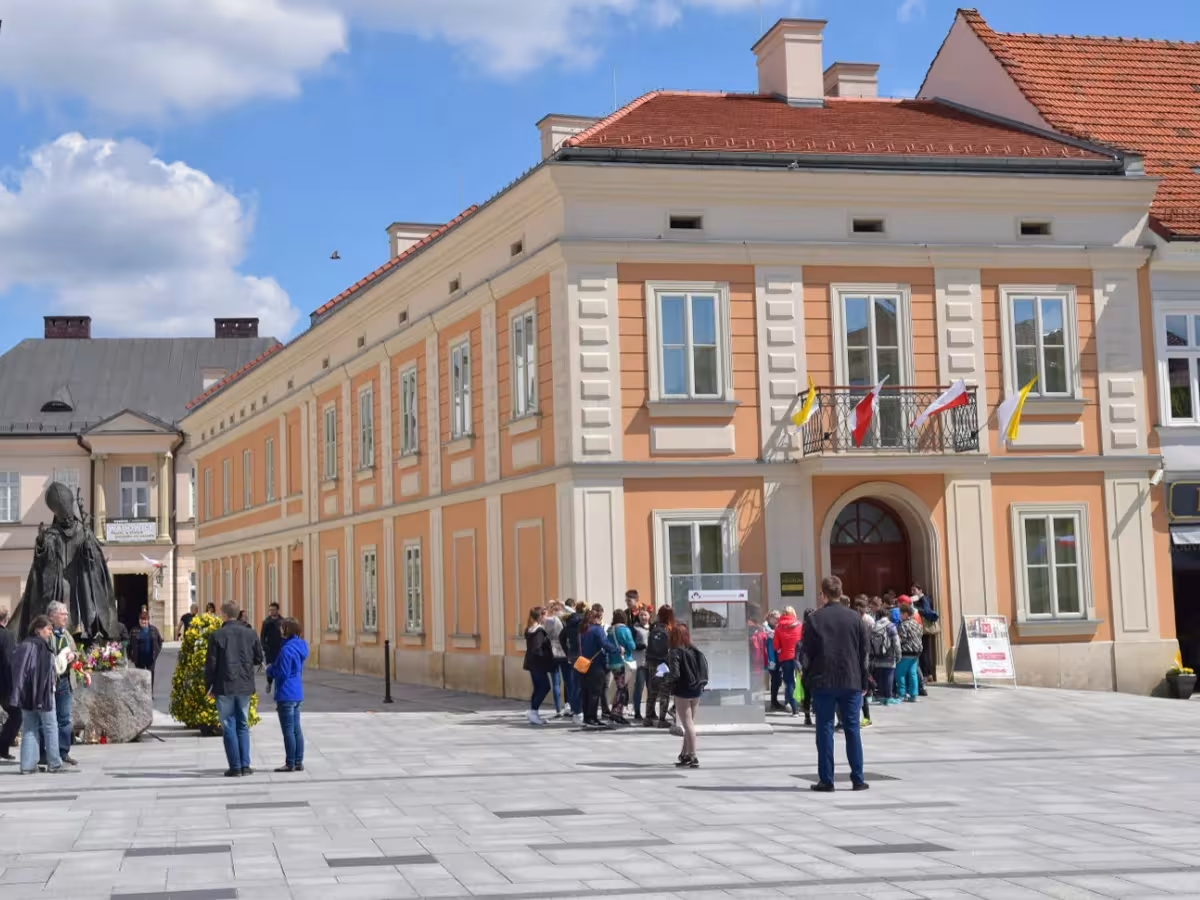
Born Karol Józef Wojtyła in 1920, John Paul II was a native of Wadowice, Poland. Remarkably, the line connecting Vilnius to the Vatican passes directly through Wadowice—just 150 meters from his birthplace.
This creates a striking and highly precise correspondence, considering that Vilnius Cathedral and St. Peter’s Basilica stand 1,704 kilometers apart.